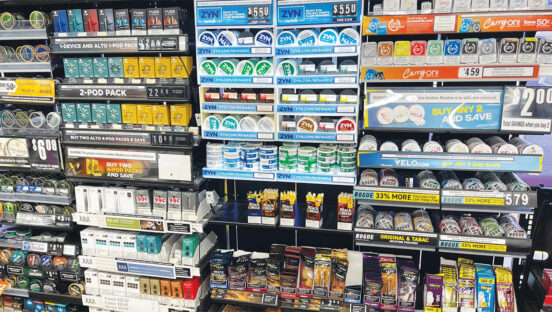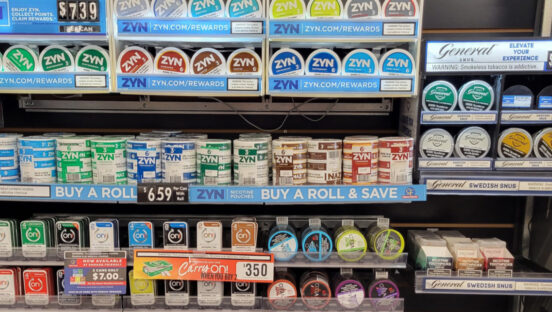
Tobacco and related product regulations are certainly causing upheavals in the backbar. Whether due to flavor bans, tax increases or marketing restrictions, c-store operators must be ready to pivot immediately, all while battling further legislation that can often lead to a robust illicit market.
On the other side of that coin, legalization of certain products can influence the backbar, as well.
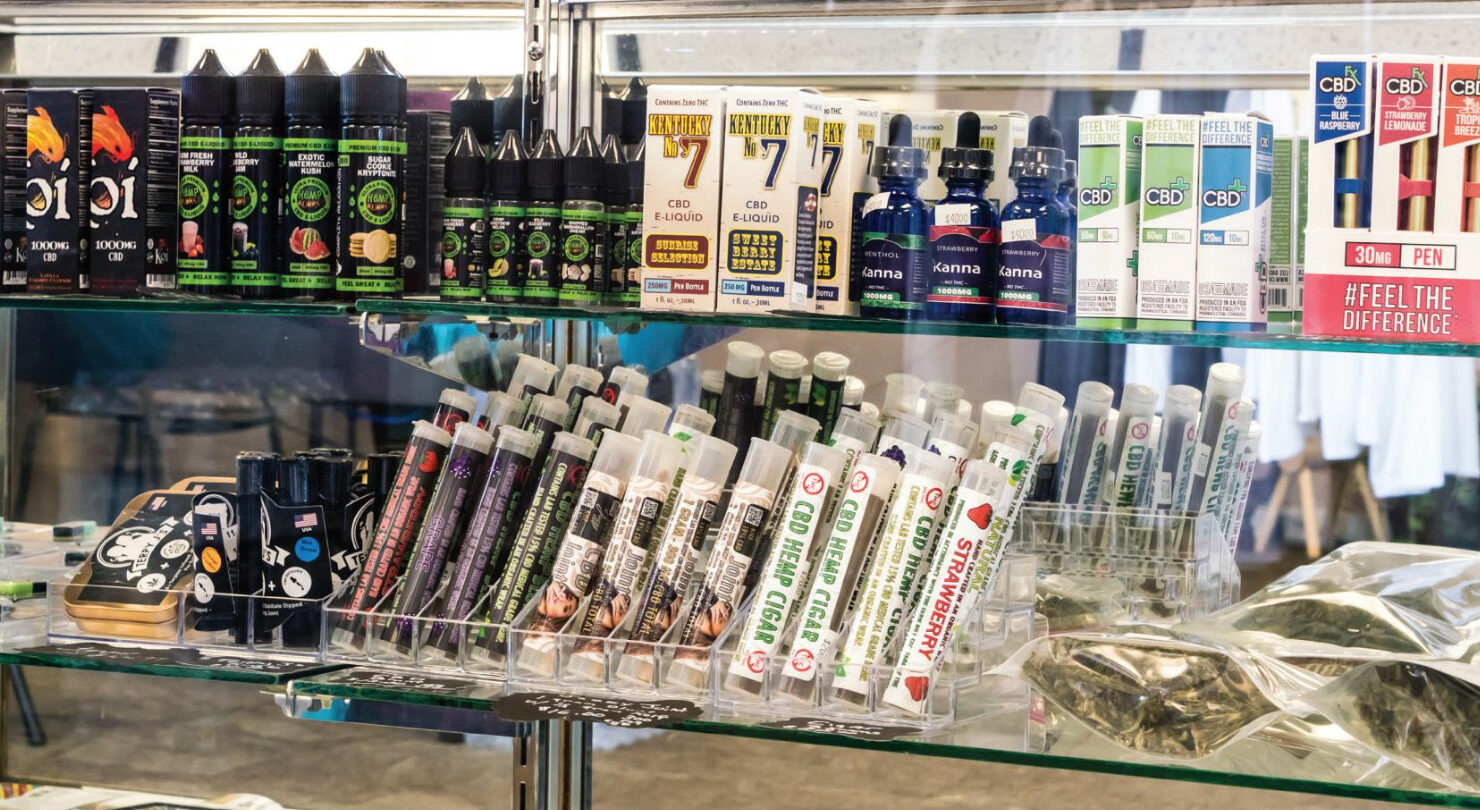
At Cliff’s Local Market, for instance, which operates 22 locations in New York, stores previously carried CBD vapes, tinctures and gummies, which fizzled quickly in sales once New York legalized THC. Now, the chain carries energy pouches with 50 milligrams of caffeine that are performing well, and purchasing manager Bill Laraby is looking into higher-caffeinated brands.
In some states, recreational THC is not legal, and, in fact, many counties are dry. In Missouri, a bill was recently passed that prohibits c-stores from selling intoxicating hemp products starting Nov. 12. This aligns with a federal ban on most consumable hemp-derived products.
“However, we’re doing everything in our power, and I know Tiffany’s (Fraley, CEO) writing letters and Lindsay’s (Griffith, marketing and community engagement manager) trying to get people to be more educated. And I think that’s the big hill that we have to climb for everyone to get on board to keep this, is just an educational standpoint,” said Amanda Lobes, category manager for InConvenience Inc., which operates 29 stores in Missouri, Iowa, Arkansas and Texas under the brand names Gas Spot and Good Spot.
In Iowa, a milligram regulation is in effect, disallowing the chain to carry certain brands whose products are over the THC milligram count.
“I’m coming back to (vendors) with that information, and they’re like, ‘That’s really great to know. We can probably concoct something to where we can get it lower and have that be able to go to these stores that do have those smaller limitations,’ which is great,” said Lobes.
Iowa also sent a bill to its governor expanding the definition of alternative nicotine products and vapor products to include nicotine analogs.
Louisiana, Delaware and New York are among states that have similar bills in motion or already passed.
Overall, many of these products have appeal and potential staying power, and the only reason they might not survive, is regulation, said Erin Slater, category manager for tobacco, foodservice and dispensed beverage at InConvenience.
For now, one of the best steps smaller to mid-sized retailers looking to add these products to their stores can take is educating their employees, who can in turn educate consumers.
“As consumers are more educated about these products, they’re more willing to try and experiment and see where they do fit within their routines throughout their day,” said Slater.
Particularly as many of these fit within the broader wellness trend as an alternative to nicotine and tobacco, experimenting with products that might better accommodate someone’s lifestyle helps drive the trend to this category, as does price sensitivity.
Of course, education and experimentation are also important for the retailers, who need to know which products they should sell in their stores.
This is one of the biggest questions asked about tobacco and nicotine alternatives, as the influx of innovation often leads to overwhelm.
InConvenience typically assesses emerging brands through vendor-supplied samples, the company’s history, return policy, and the profitability of parallel categories and whether the new item would be complimentary or cannibalizing.
C-stores need to be proactive in their search for alternatives, especially if regulations are waiting in the wings to force retailers to remove something from the backbar.
InConvenience is selling kratom as one alternative, particularly while it waits to see where THC regulations land.
“It’s a product that we do carry, and it could potentially fill a space for THC if that does go away from convenience stores, but (we need) to make sure that we are ahead of that, and the education is there, and that our employees understand the product and are able to talk to our consumers about it,” said Slater.
Retailers can start small as they consider tobacco-free and nicotine-free products, trialing one or two new products to dip their toe into the category before expanding further if they choose. Products of similar format to the tobacco and nicotine items that are familiar, such as pouches or vapes, might serve as a comfort to customers as they experiment initially.
And often, stores see dual use cases, in which customers are purchasing tobacco and nicotine products as well as nicotine-free products. While these can be used as alternatives, it isn’t always one or the other.