As retailers and vendor partners set their sights on new growth drivers and find costs are at risk of increasing, many of them are turning to their foodservice categories and platforms as an opportunity to compete in a new way. And with quick-service restaurants (QSRs) looking to innovation to compete in a challenging environment, many convenience store chains are finding success in elevating their foodservice offering to compete and win against traditional food destinations.
In other words, c-stores are going after traditional QSR and fast-casual restaurant concepts like never before. In fact, convenience retailers are looking past QSRs and instead looking to create a model more like fast-casual concepts to differentiate themselves from convenience stores’ base format, attract new convenience consumers and steal QSR diners.
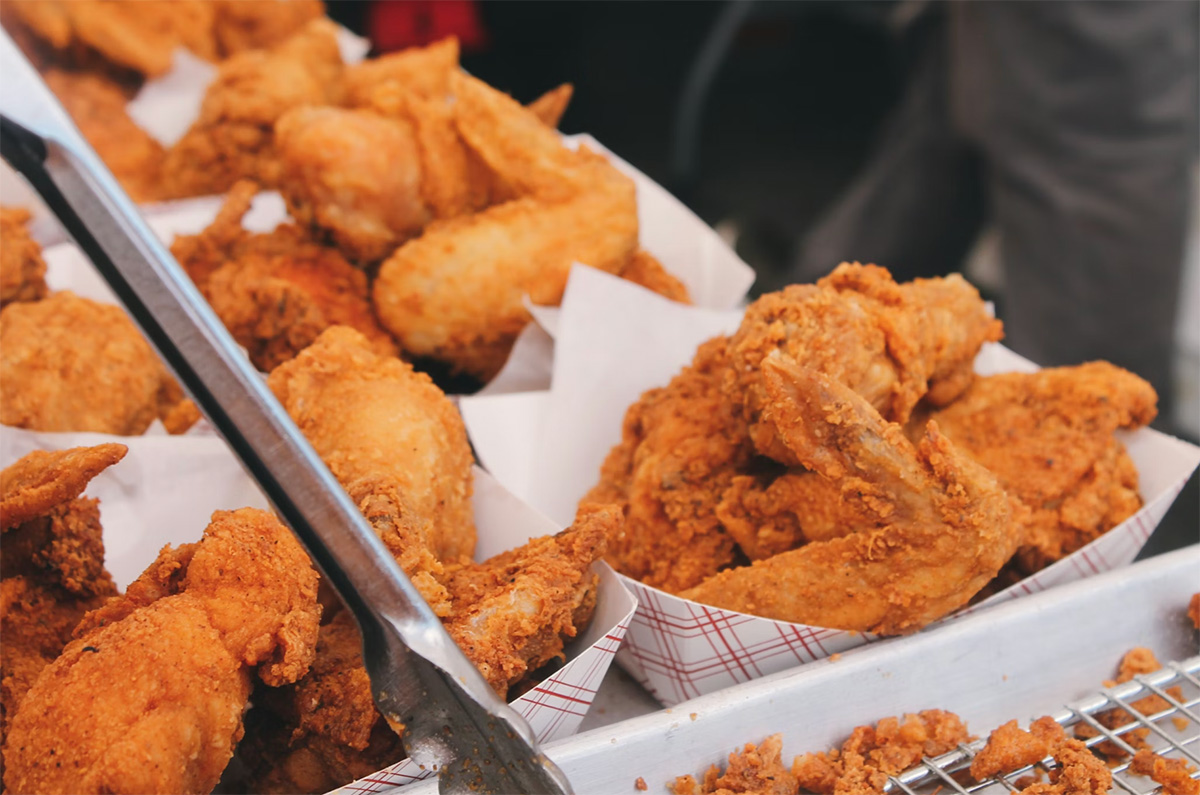
This trend does not discount c-store foodservice staples, like roller grill, pizza, chicken and sandwiches, etc. But rather, this challenges the brand, category managers and vendor partners to find ways to elevate these foodservice classics to develop products and concepts that leapfrog QSR and strive to equal fast-casual restaurants — the fastest-growing segment in restaurants — to attract more and more guests.
Here’s how they do it: They strategically source and build products that are familiar, but feature unique ingredients and flavors, and provide strong quality cues.
Examples From the Field
Retailer 1: This respected chain does not simply call out the quality of the bread it uses for its sandwiches as unique and flavorful. Instead, it highlights that the sandwiches are made on focaccia bread, which essentially does the same thing. The hot case calls out burgers, and not just a cheeseburger but rather a cowboy burger, giving it character and creating an expectation. Its breakfast bowl in the hot case is dubbed a “loaded breakfast bowl.” And the hot dogs on the roller grill are Angus franks. Descriptors and names matter in driving trial, and these callouts are proof points of differentiation.
Retailer 2: This chain invests in quality ingredients and sources those ingredients locally where possible. The chef-driven convenience store chain features organic, made-to-order sandwiches, smoothies and craft coffee, and it deliberately partners with local platforms to stock its shelves with regional artisanal brands. These choices make this retailer a food destination, capturing the flavors of local products whenever possible.
Retailer 3: A chain that labels itself a modern convenience experience focuses heavily on health partners, working with local producers and featuring clearly labeled produce, fresh juices and deli-style subs.
I could go on: One chain/local market and convenience store offers everything from daily organic staples to hot sauce and produce from local farmers. Another offers specialty foods, stocking its shelves with produce from trusted local businesses. It actively seeks out local, high-quality products and ingredients.
In each of these cases, the brands are choosing to build a reputation of innovation, quality and, where possible, capitalize on local trends and products. But they are not eliminating classic foodservice menu items. Rather, they’re upgrading and elevating them with the purpose of driving guest enthusiasm and increasing guest counts.
Building an Experience
One opportunity some retailers miss is to complete the picture by not only elevating the sandwich, chicken, hot dog or pizza but also infusing indulgence into everything that goes into the experience.
Having an elevated product that tastes great is a very strong foundation, but if the complete experience isn’t examined, then the experience is not reaching the potential of the program. If you have introduced a best-in-class hot dog on the roller grill but do not complete the experience with higher quality and a variety of craveable condiments and ingredients, then the experience is incomplete. If the bun is the same as all other convenience stores, the investment in higher quality may fall short. Great retailers know this and invest in the details to create a destination-driving experience.
Finding a better-quality ketchup, offering an elevated hot sauce, or expanding the variety of sauces and condiments that add flavor in new and unique ways are great strategies to use to elevate the base roller grill and hot case offer. These additions also create a craveable experience and an offer that is more likely to create destination-driving experiences.
A stronger hot food platform gives you a stronger brand and a higher-quality customer experience.
The Price of Quality
Pricing plays an important role, as well. Does high-quality food and a better dining experience require raising prices? Not necessarily.
Working with your vendors and driving unit sales can overcome the cost of higher quality. This is our business, and strong retailers use their judgment and partnerships to keep prices at a reasonable, competitive level.
These products in many cases become a destination and traffic driver. That drives profit.
Improving quality should have a return on that investment, but best-in-class retailers also focus on traffic counts, unit sales and overall sales growth. Look beyond the financial investment in quality. All of these elements, collectively, help a brand differentiate itself and grow.

Jeff Keune is founder and principal consultant for 4910 Consulting, based in Boston. 4910 specializes in driving performance and profitability, physical space behavior, strategic initiatives, menu and merchandising innovation, brand management, and digital activation including loyalty optimization. Keune is a former retail executive who was instrumental in building successful food and merchandising programs for Yesway, Thorntons, American Natural and other convenience retailers and QSRs. Reach him at [email protected].