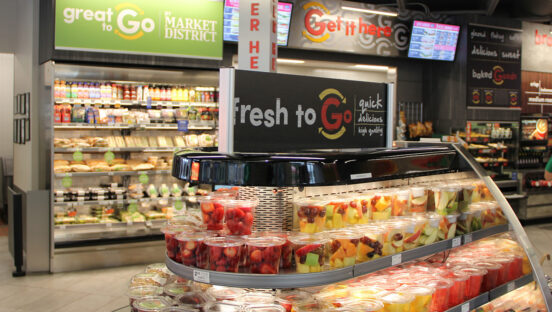
There is a lot to be happy about right now in convenience store breakfast. Several strong chains have leveraged the morning daypart to win against the quick-service restaurant (QSR) giants. Together, they’ve built a growing consumer sentiment that maybe c-store food is better than they once thought.
At the same time, however, fast-food giants have either made breakfast a foundational daypart (McDonald’s, Dunkin’, Einstein Bros.) or tried breakfast (Taco Bell, KFC) in an effort to shore up struggling sales at lunch and dinner with mixed success.
Convenience store breakfast is not new, and at chains like Buc-ee’s, Wawa, Sheetz and others, it’s core to their reputation and success. Lunch, the dinner drive time and late-night are all strong opportunities as well, but there are many reasons to grow and protect the breakfast daypart specifically. For one, some QSRs are struggling and looking to shore up their breakfast business overall, while lunch and dinner face challenges.
Rise and Shine
The morning drive time is a key period for fuel sales. A strong forecourt marketing plan, combined with a compelling breakfast offer, is an opportunity to attract more consumers into the store and take morning sales to higher levels. The fact that consumer behavior and visits have been more positive post-pandemic only strengthens the case that a better breakfast program can drive performance.
Convenience does need to find stronger ways to compete, however. Breakfast is rebounding in QSRs post-pandemic. Just a year ago, Circana reported 39% of consumers reported eating breakfast before 8 a.m., which is a five-point increase from 2020. The research firm also found that breakfast was the best-performing daypart in 2025. The battle now is: Who will own the daypart moving forward?
QSRs are getting concerned as the convenience industry continues to invest and innovate in the morning daypart offering. There was a time when we talked about convenience store food as being something you ate only when there were no other options. Today, the platforms and products being served up at many strong convenience brands are as good as or better than QSR options.
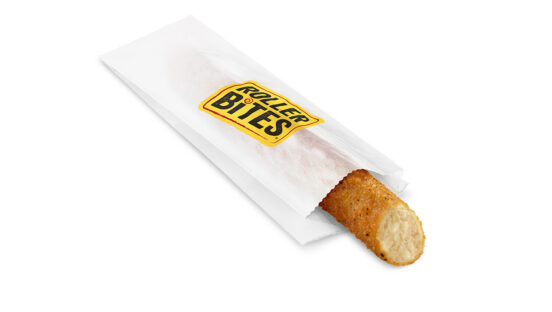
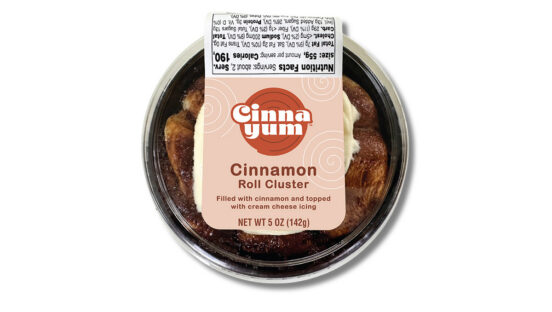
Convenience retailers should see this as an invitation to make moves in a.m. foodservice. More convenience brands have an opportunity to elevate their food platforms and drive, not only traffic, but also brand equity and reputation. If you already have strong foodservice, expand it and innovate. If you have not invested beyond the bakery case and roller grill, there is nothing wrong with that, but there is an opportunity to elevate right now! Consumers have shown they will at least try it, and in many cases, embrace it.
The opportunity is there: Steal share from struggling QSRs and build incremental sales by competing and winning against QSRs in your trade area. Now is the time to broaden your menu and introduce advertised limited-time offers (LTOs). QSRs do this regularly. The point is to maintain a steady stream of strong traffic-driving messages that bring consumers into the store. LTOs, or specials, may not be what consumers ultimately purchase. Still, they are an opportunity to boost sales, even if consumers instead buy more of the products they already love.
Best Practices for Breakfast Sales
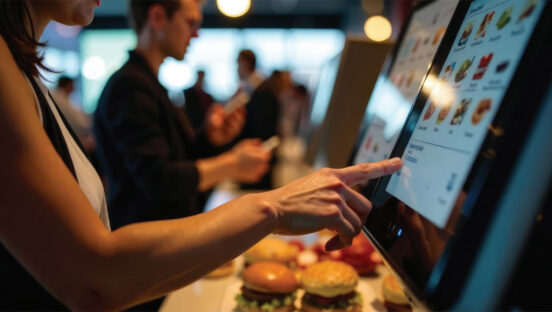
There are other pages the convenience industry can steal from QSRs. For example, combo meals marketed with signage and other promotional elements inside and outside the store can increase traffic and incidence. In many cases, they also elevate the average check, as consumers will purchase convenience items in other categories — an advantage QSRs don’t have. Bakery case and roller grill will always have their place but expanding the menu, whether it is hot-hold or made-to-order, will help your brand grow and has the opportunity to not only satisfy the guest but also to drive new transactions.
Here are some best practices that some brands are already capitalizing on (and you can too):
- Create a strong foundation menu and offer more than the standard packaged commissary items.
- Create a calendar of LTOs to give your stores something new on a consistent schedule and provide updated content for marketing and signage to drive traffic.
- Work with suppliers to get their latest, elevated limited-time products or to create something new.
- Complement your growing and limited-time menu with strong, efficient marketing. New news isn’t enough; you need to make sure consumers are aware of it and excited about it.
- Give your team members opportunities to promote and upsell items, and to execute the products well.
- Use whatever media fits your budget to boost awareness and trial of the foodservice. It is not great innovation if your guests are not aware of it.
The Opportunity is Here
Fast food is increasingly concerned about the opportunity convenience stores offer the consumer. Morning commuters increasingly consider convenience stores an incredibly viable alternative to fast food. In some cases, consumers see c-stores as the better experience because of the overall variety of store options and because they feel more in control.
What we as an industry should consider is what it will take to not only satisfy guests, but to delight them. Investing in innovation and expanding the menu to better compete with QSRs is worth it. Your job is to create a consistent, elevated experience that earns loyalty and builds a strong habit of visiting your brand.
Jeff Keune is founder and principal consultant for 4910 Consulting, based in Boston. 4910 specializes in driving performance and profitability, physical space behavior, strategic initiatives, menu and merchandising innovation, brand management and digital activation including loyalty optimization. Keune is a former retail executive who was instrumental in building successful food and merchandising programs for Yesway, Thorntons, American Natural and other convenience retailers and QSRs. Reach him at [email protected].