When it comes to technology priorities, artificial intelligence (AI) tops the list for many convenience store retailers in 2026, but knowing how to get started is a different matter entirely.
One of the main pieces of advice that retailers give each other when talking about AI implementation is to first identify a problem and then enlist AI to help with that.
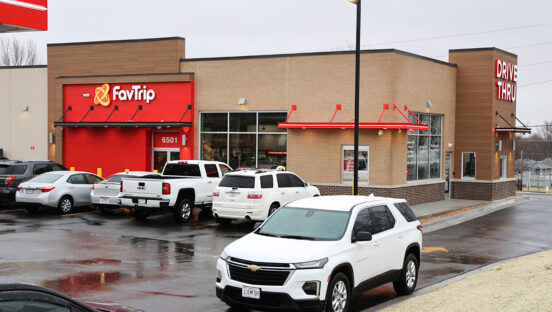
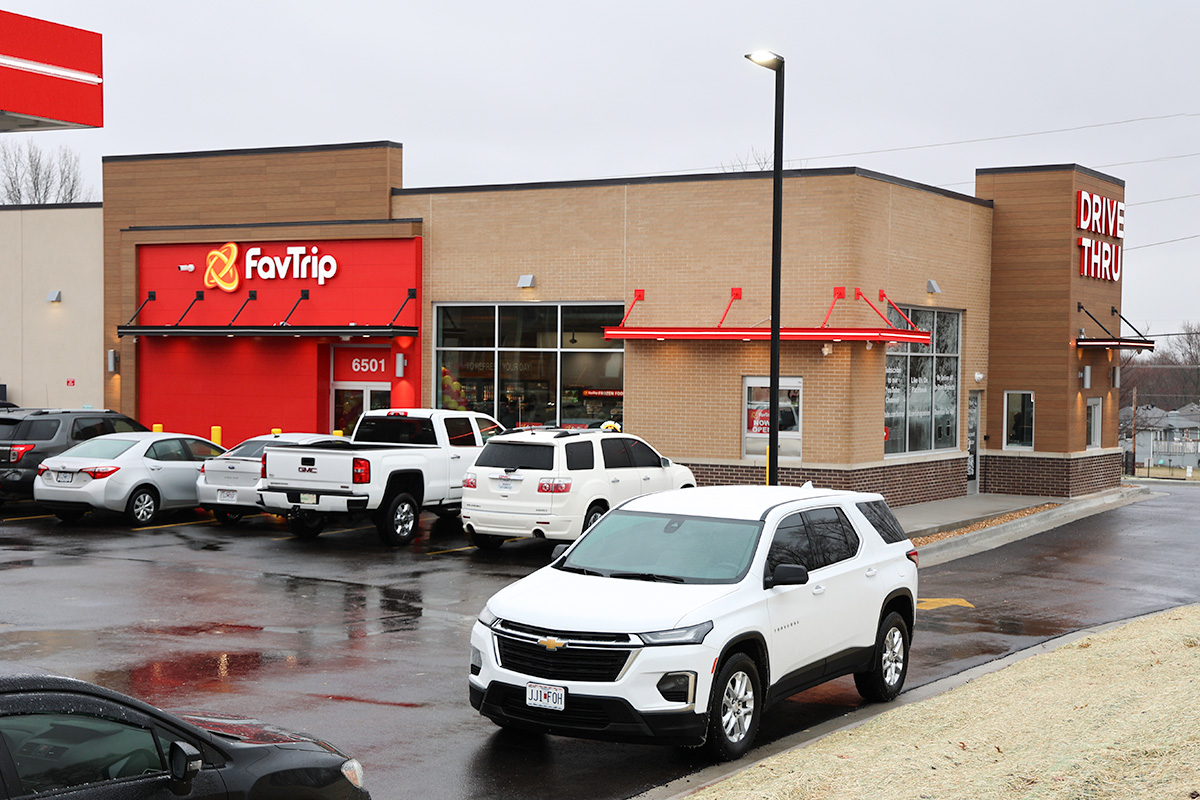
Babir Sultan, founder and CEO of FavTrip, which operates three stores in Missouri, recently did just that. He looked at some pain points that he was dealing with at his convenience store business, and then he selected four that he wanted to address.
His first step was to add four new AI-agent “staff members.” Each has a distinct role. One watches for trending snacks and makes suggestions for which snacks to stock; the second drafts social posts for FavTrip’s three social media channels; the third is a billing agent that reconciles weekly gas invoices; and the fourth AI agent messages job applicants for open interviews.
A month later, Sultan announced on LinkedIn that he had learned three things training the four AI agents. First, he noticed that giving each agent a narrow focus, such as “just handle the gas recon” worked best, while an agent that is expected to “do everything” doesn’t work as well.
Sultan also learned to let the AI agents prepare drafts for his approval, rather than letting the technology make decisions. And lastly, he found that the automation is great at highlighting processes that are broken.
“The day I trained the billing agent, it found gaps I’d been working around for months,” Sultan told his LinkedIn audience.
CStore Decisions caught up with Sultan to learn more about his lessons and advice for other retailers when it comes to employing AI.
CStore Decisions (CSD): Why did you make the decision to use AI for these four tasks, and how did you get started implementing it?
Babir Sultan (BS): I previously worked with virtual assistants who were inconsistent with these tasks. I decided to take all of our existing training materials and use them to train the AI to handle these responsibilities instead. I am now one month into this transition, and the AI never misses a deadline.
CSD: Which one of these four do you find most helpful and why?
BS: The most helpful has been the agent for reconciling gasoline invoices. This was previously the most time-consuming task because it requires matching gas loads with invoices. Automating this has been a significant time saver, which is the main goal — opening up time for staff to focus on other things.
CSD: You noted that giving the AI agents a narrow task works best. Tell me more about what you’re observing here and how you arrived at this conclusion.
BS: The more complex and multistep an action is, the higher the chance of errors. Originally, I had one agent trying to do everything. Now, I have multiple agents with dedicated, individual jobs, and they perform much better at that level.
CSD: You noted you learned that AI is best used to draft work, but you make the final call. Why is this key?
BS: Human oversight is essential because AI can still make mistakes. I had to go through a process of training and retraining, but once the AI understands the task, it is highly reliable.
CSD: You noted you also learned that automation helps identify broken processes. Tell me more about how AI helped you identify these issues.
BS: I view AI as a “second brain.” For example, while brainstorming ideas, it helped me identify that we lacked video procedures for certain staff processes. My current project involves using AI to organize myself and my staff to identify areas for improvement and training.

CSD: What advice do you have for other retailers that want to start using AI? How do they know where to start?
BS: Don’t be afraid of the technology. Start small and work your way up. List the specific problems you have and research which AI tools can help solve them.
Sultan also noted that even as he onboards AI agents, he’s not replacing any of his human employees. “I’m getting Friday afternoons back,” he said.