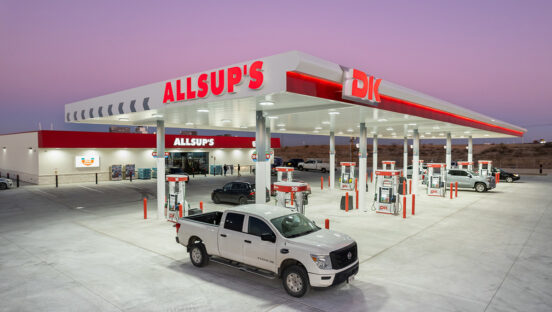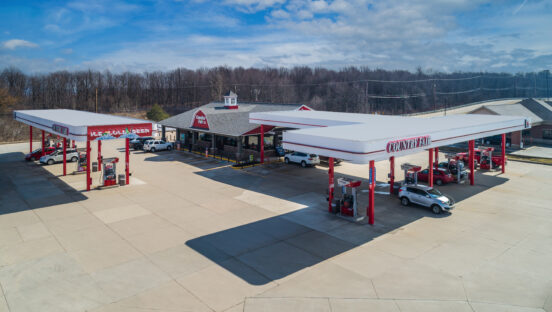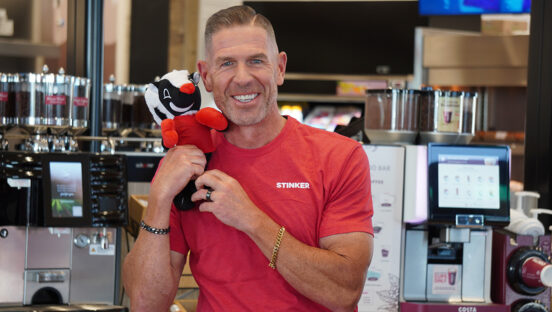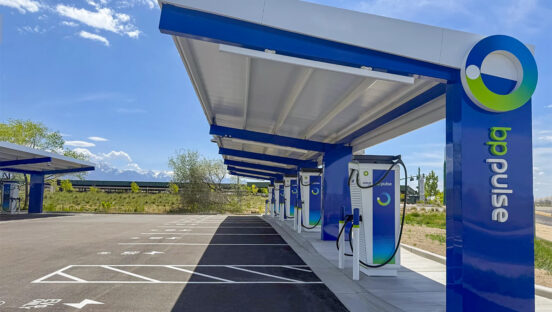

7-Eleven has officially completed its conversion of 204 Stripes-branded c-stores to its family of brands. The move included transferring the brand’s software from Cal PDI to 7-Eleven PDI, plus major store renovations, program rollouts, fuel brand conversions and SmartDesk conversions, according to a LinkedIn post from 7-Eleven’s Vice President of Operations, Integration and Acquisitions Mel Tiruneh.
“After 24 months, we successfully completed the integration of the Cal acquisition stores into the 7-Eleven family of brands,” Tiruneh’s post read. “This transformational journey would not have been possible without the incredible partnership, leadership and dedication from our cross-functional teams across acquisition and integration, financial and planning, operations, HR, training and development, IT and digital, fuel, restaurants, merchandising, marketing, accounting, logistics, administrative office, RI/RIS and many more. Thank you for the countless hours, resilience and commitment throughout every phase of this integration.”
Tiruneh went on to note that the stores have been integrated into 7-Eleven systems, standards and culture while elevating the customer and vendor experience.
“(I’m) proud to have partnered and served alongside such an outstanding team,” the post continued. “7-Eleven will continue to lead and set the standard for the convenience industry because of the incredible people like you behind the brand.”
7-Eleven completed its $1 billion acquisition of all Stripes and Laredo Taco Co. locations in April 2024. Former CEO Joe DePinto noted at the time that the deal “provided us a valuable brand to grow our restaurant offering.”
“We’re excited to welcome the remaining Stripes stores and Laredo Taco Co. restaurants to the family, and we look forward to serving customers across west Texas, New Mexico and Oklahoma,” he continued.
Continued Transformation
The integration of the Stripes stores comes at a pivotal moment for 7-Eleven as it looks to continue streamlining and transforming its store network.
In late April of this year, parent company Seven & i Holdings (7&i) announced that it plans to remodel up to 7,000 c-stores by 2030.
Additionally, the company shared intentions to open 1,300 new stores and add 2,600 franchise locations in the next four years. In its most recent presentation for investors, 7&i noted that the “clean modernized stores (will) signal to the customer that (the company has) made an investment prior to entering the property.”
The c-stores will feature “key interior improvements including (the company’s) program rollouts customized for each store’s customer base,” plus a “better customer experience through store simplification and optimization programs.”
On the franchising front, 7&i wrote that “franchisees bring entrepreneurial spirit and local market insight, improving performance.” The stores will represent a “unified, simplified operating model that drives lean OSG&A through standardization, clearer ownership and consistent execution at scale.”
In terms of its digital strategy, 7&i is looking to expand its 7NOW delivery presence across the globe, with a focus on scaling the Gold Pass subscription model, expanding available products on the app and expanding it to 8,500 stores.
The moves were made to support three key consumer trends identified by the company: a clear shift toward value, rising expectations for high-quality food and demand for more convenient shopping.
The chain also announced in April that it would close 645 c-stores as part of its transition to larger “wholesale fuel stores,” according to a report from The U.S. Sun.
7-Eleven President Stan Reynolds told The U.S. Sun that the “food-forward stores are resonating with our customers and driving (average sales per store day) about 18% higher than our system average. We’ll continue learning from these stores and refine our new store standard to meet the needs of consumers both now and in the future.”