
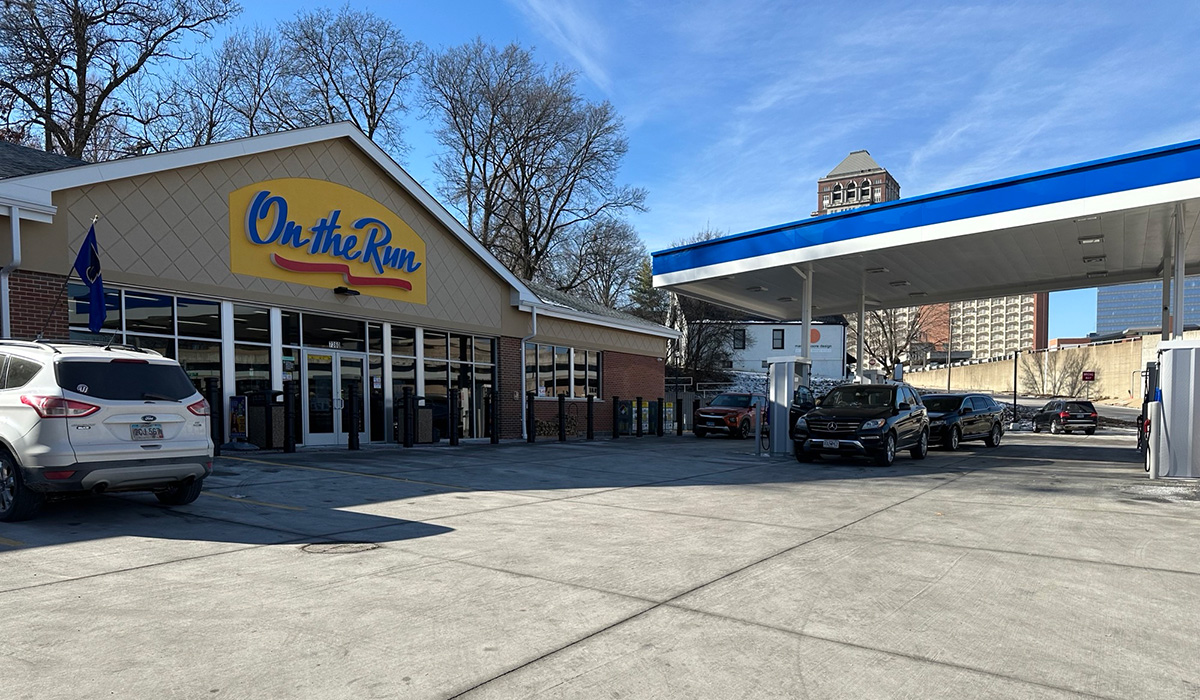
In CStore Decisions’ October issue, we caught up with Kelsey Smith, inventory loss control specialist for Wallis Cos., operator of 67 stores in Missouri and Illinois, to hear her take on loss prevention (LP) measures. In the following Q&A, Smith expands on her thoughts and offers advice to other retailers looking to succeed with loss prevention.
CStore Decisions (CSD): When you visit a store, what are the first signs that tell you whether loss prevention is being managed effectively?
Kelsey Smith (KS): I can usually tell whether loss prevention is being effectively managed before I ever start digging into reports or talking with store employees. I look at the conditions and organization of the store, especially the sales floor, backroom, exits, register area and where the high-risk inventory is. If merchandise is stocked, faced and organized; if the backroom is controlled; if exits and employee-only areas are secure; the register area is free from clutter; lottery is secure; and paperwork and counts are current, that tells me that the manager has ownership of the operation.
I also pay attention to whether employees actually understand the procedures or are simply going through the motions. A store can look good for an audit and still have serious loss happening. I like to see consistent execution: receiving being verified, damages and returns processed correctly, lottery counts completed, cash controls followed, and exceptions being investigated instead of explained away. Good loss prevention usually looks like good operations long before it looks like an LP investigation. I’ve never been in a store where LP is being managed effectively and the store doesn’t look good from an operational standpoint.
(CSD): What is the most overlooked source of loss in convenience stores today, and why do operators miss it?
(KS): I think the most overlooked source of loss is probably operational loss. Theft often gets the most attention because it is visible and easy to understand, but a lot of loss happens one transaction or process failure at a time: receiving errors; inaccurate counts; mishandled write-offs; incorrect ringing of refunds, discounts, or accidental voids; inventory transfers; or merchandise that simply isn’t accounted for correctly.
Operators miss it because no single incident looks significant. A $10 error doesn’t create urgency. Repeat that error across multiple transactions, shifts, stores and months, and suddenly it is real money. I tend to look for patterns rather than isolated incidents because shrink is often the symptom. The process that allowed it is the actual problem.
(CSD): How has the nature of retail loss changed over the past five years, and what emerging challenges concern you most?
(KS): Retail loss has become increasingly more complex over the past few years because there are more systems, more data, more transaction types and more ways for something to go wrong than there ever were before. Traditional theft is still there, but I don’t think you can manage loss effectively anymore by focusing on shoplifting and internal theft alone.
What concerns me most is the ability to identify meaningful patterns quickly enough to act on them. With the amount of information available now, the problem isn’t necessarily getting data – it’s separating normal activity from behavior that deserves attention. As retail keeps evolving, the “normal activity” keeps changing as well. What once may not have been a key risk indicator may have become something we now need to be concerned about, and if we aren’t paying attention and updating our exception reporting on a frequent basis, we’ll let small losses turn into larger ones right under our noses. If those systems stay siloed or nobody has time to analyze them, you’re collecting evidence after the loss instead of preventing it.
I also think inconsistent execution becomes more expensive as operations become more complicated. Technology is an amazing tool and can help greatly improve store operations, but without proper training in how to use the technology it can quickly turn into a loss that no one was prepared for.
 (CSD): How can store managers identify potential loss issues before they become significant problems?
(KS): Know what normal looks like for your store and pay attention when something stops looking normal! You don’t know how many times I’ve had to stop someone from researching normal transactions to focus on the ones creating true losses. Store managers don’t need to investigate every unusual transaction, but they should understand their numbers well enough to recognize changes and patterns.
I would watch cash shortages, inventory variances, point-of-sale exceptions, damages/returns, lottery discrepancies and receiving issues. More importantly, I would compare those things over time instead of looking at each one individually. One exception may mean nothing. Repeated exceptions involving the same employee, shift, product, vendor or process deserve attention.
I also believe managers need to physically verify what the reports are telling them. Walk the store, check the backroom, verify inventory counts, review paperwork and talk to employees. Data tells you where to look. It doesn’t absolve you from actually looking.
(CSD): What role does training play in building a stronger loss prevention culture at the store level?
(KS): I think training is one of the most valuable investments we can make in loss prevention, especially with store managers. You can give someone policies, reports and procedures all day long, but knowing the right answer isn’t the same as understanding how to recognize a problem, why it matters and what to do about it.
I’ve been putting a lot more emphasis on hands-on training sessions with our store managers because I want them to understand how to actually use loss prevention, not just pass an audit or follow a checklist. I want to walk through real situations, show them what I’m looking at and why, and help them develop the confidence to recognize those same things on their own.
To me, that’s where training pays back tenfold. If I solve one problem myself, I’ve prevented one problem. If I teach a manager how to identify, investigate and prevent that type of loss, I’ve given that store another set of LP eyes every day. The goal isn’t for managers to know all the answers. It’s to teach them how to ask the right questions, recognize when something doesn’t make sense and understand the tools available to them.
The more knowledge I can give our store teams, the more return on investment we can get out of loss prevention as a whole. LP shouldn’t just be a department people call when something has already gone wrong. It should be knowledge we build into the operation.
(CSD): How do you measure whether loss prevention training is actually working?
(KS): I don’t think successful training is measured by whether someone can repeat the policy back to me. I know it’s working when managers start recognizing issues before I point them out.
One of the things I’m trying to accomplish through more hands-on training is teaching managers how to think through loss. Can they look at a variance and start asking the right questions? Can they recognize when a transaction or inventory pattern doesn’t make sense? Can they identify where a process is breaking down and know what to look at next?
The real return on training is independence. I don’t want managers to feel like every LP issue requires them to call me for the answer. I want to give them enough knowledge, tools and confidence to investigate the first few layers themselves and know when something needs to be escalated.
If managers start bringing me better questions instead of just asking for answers, I know the training is working.
 (CSD): What do you think separates a strong loss prevention program from one that simply reacts to shrink?
(KS): A strong LP program creates more people who know how to prevent loss. A reactive program creates dependence on the LP department.
I don’t want loss prevention to be something that only becomes important after an inventory result comes back bad or an investigation has already started. By that point, we’re explaining what happened. I’d rather spend time helping store managers understand the indicators that show up before the final loss does.
That’s a big reason I’ve focused so heavily on training. When managers understand cash controls, inventory, exception reporting, receiving, lottery and the operational side of shrink, they can recognize small problems while they’re still small.
To me, the best LP program isn’t necessarily the one where LP catches the most problems. It’s the one where the operation becomes better at preventing those problems without waiting for me to catch them.
(CSD): What is one misconception about loss prevention that you would like store managers to think differently about?
(KS): That loss prevention is mostly about catching dishonest people.
Investigations are part of the job, but some of the biggest opportunities come from understanding the operation well enough to recognize where we’re losing money before it turns into an investigation. A receiving problem, poor inventory control, an unusual transaction pattern or a procedure that isn’t being followed consistently may not look dramatic, but those things add up.
That’s what I want managers to get from the training I’ve been doing. I’m not trying to turn every store manager into an LP investigator. I’m trying to give them an LP mindset.
That means being curious when something doesn’t make sense, verifying instead of assuming, understanding the reason behind our controls and knowing how to use the information available to them. If I can teach managers to think that way, they don’t just become better at loss prevention. They become better operators — and I think that’s where LP provides some of its greatest value to the company.
To hear Smith speak about LP, click here.