
More than 72 million Americans are planning to travel for the July 4th holiday week — between June 27 and July 5 — according to a recent report from AAA.
This year’s total surpasses last year’s record of 71.8 million travelers, but the increase is smaller than recent year-over-year gains. The number of travelers driving and flying to their destinations is relatively flat compared to last year.
“For many Americans, traveling the week of July 4th is tradition,” said Stacey Barber, vice president of AAA Travel. “The 9-day travel forecast includes travelers who are vacationing all week and people just getting away for the long holiday weekend. While the overall number of Independence Day travelers appears to be plateauing, we’re still expecting record volumes this year.”
AAA projects 61.4 million people will travel by car over July 4th week, nearly the same number as last year when 61.3 million travelers took road trips.
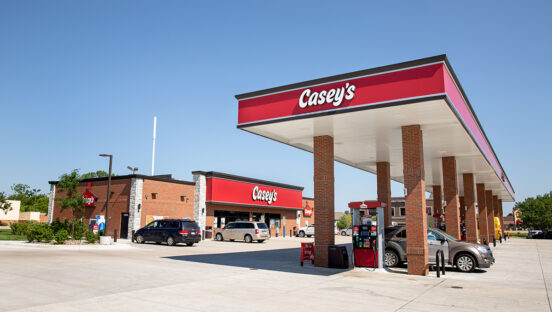
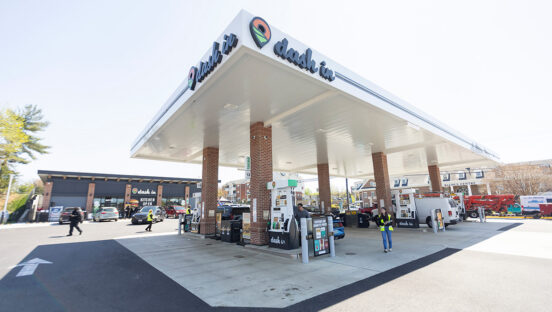
Roughly 85% of Americans traveling for Independence Day are expected to drive to their destinations, despite gas prices reaching four-year highs. Last year, the national average for a gallon of regular gasoline was $3.15. This year, prices are higher but remain lower than 2022, when the national average was $4.80 on Independence Day.
Despite higher gas prices, filling up the tank during a road trip is still cheaper than purchasing flights for many travelers, especially for families with kids, according to AAA.
Prices at the pump have been a major concern since conflict in the Middle East sent prices skyrocketing. AAA reported this week that prices, while still uncharacteristically high, have fallen three weeks in a row.
Since May 21, the national average has dropped from $4.56 to $4.12 thanks to crude oil prices remaining below $100 per barrel. Gas prices typically peak around this time of year, but uncertainty surrounding the Strait of Hormuz makes this year more unpredictable.
Gas
The nation’s top 10 most expensive gasoline markets are California ($5.80), Hawaii ($5.58), Washington ($5.56), Alaska ($5.15), Oregon ($5.04), Nevada ($4.96), Arizona ($4.48), Idaho ($4.46), Illinois ($4.44), and New York ($4.40).
The nation’s top 10 least expensive gasoline markets are Indiana ($3.39), Texas ($3.58), Oklahoma ($3.61), Tennessee ($3.68), Louisiana ($3.69), Kentucky ($3.69), Mississippi ($3.71), South Carolina ($3.73), Alabama ($3.73), and Arkansas ($3.74).
Electric
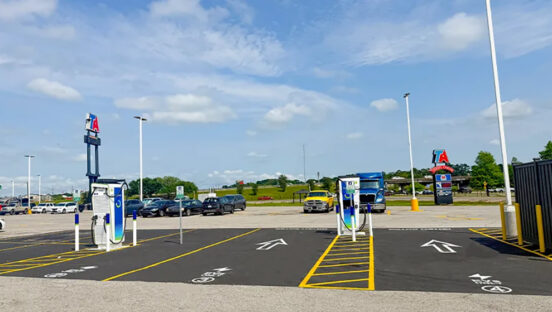
The nation’s top 10 most expensive states for public charging per kilowatt hour are West Virginia (52 cents), Hawaii (51 cents), California (47 cents), New Hampshire (47 cents), Louisiana (46 cents), New Jersey (45 cents), Illinois (45 cents), Arkansas (44 cents), Alaska (44 cents), and South Carolina (43 cents).
The nation’s top 10 least expensive states for public charging per kilowatt hour are Kansas (30 cents), Missouri (32 cents), Maryland (33 cents), Iowa (34 cents), Utah (34 cents), South Dakota (34 cents), Nebraska (35 cents), Vermont (36 cents), New Mexico (37 cents), and Colorado (37 cents).