
In 2026, c-store retailers are facing an intensely competitive labor market for front-line employees, making the hiring and retention of top talent increasingly challenging.
Amid this heightened competition, operators are focused on finding the most effective ways to attract and retain high-quality employees. Many operators are recognizing that short-term hiring tactics are no longer enough and are instead turning their attention to ensuring they have a strong, scalable foundation for their culture and human resources (HR) strategy that will serve them in the long-term as their business expands.
“The focus in 2026 isn’t just staffing — it’s building an infrastructure that supports growth without compromising culture,” said Renzo Bassanini, SVP of HR at Parker’s Kitchen, which operates 100-plus stores in Georgia and South Carolina.
Part of creating that infrastructure requires added emphasis on retaining employees over just acquiring new hires. “Organizations are investing more in internal mobility and development. People getting into our industry are not as abundant as in previous years,” Bassanini pointed out. C-store chains are likewise prioritizing what Bassanini called “leadership depth,” or having a pipeline of employees preparing for leadership roles. “As companies grow, the pressure to build succession benches beneath high-level leadership positions is real,” he said.
Retailers are also integrating technology into their HR practices. Artificial intelligence (AI) is a major trend that’s only just starting to impact HR management practices at c-stores.

“We’re just beginning to fathom the ways our environment and the way we do business will change in the coming years,” said Lesley Segadelli, VP – people & culture, Stinker Stores, which operates 92 locations in Idaho, Colorado and Wyoming. “This is simultaneously the most innovative technology has ever been but as outdated as it will ever be. We’re really trying to balance ways to incorporate AI where it makes sense, not just for cool factor.”
Stinker is exploring ways that AI can support its marketing team with design concepts and to analyze large data sets to improve data quality.
“Where I’m deliberately cautious is in areas like recruiting. Until I’m confident that screening and selection AI tools can meet compliance, fairness and consistency standards, we’ll continue to review applications the traditional way,” Segadelli said. “I want to make sure any AI we adopt enhances our integrity or improves efficiency without introducing risk.”
Bassanini concurred. “AI and automation are improving speed in recruiting, but they require strong governance and human oversight. Things are too loose right now,” he said.
Bassanini also observed that HR compliance is becoming more complex for retailers. “Multistate employers are navigating wage, leave and healthcare regulations that continue to evolve,” he noted.
And then there are evolving employee expectations that savvy retailers are working to meet. “Team members want clarity around career paths, schedule flexibility and competitive value propositions, not just wages,” Bassanini advised.
Employee expectations now also encompass meaningful support for mental health and overall well-being. “I think employee mental health, wellness and staying in front of burnout will continue to be an important issue to stay in front of for 2026,” said Segadelli. Stinker Stores, CStore Decisions’ 2025 Chain of the Year, prioritizes creating a people-first culture, and that commitment extends to employee well-being.
“People are navigating more stress and complexity in their lives than ever before. We want to make sure our employees know that we care about them,” Segadelli said. “Life happens, and if we can help navigate that with them or be the reason they have one less thing to worry about then I’m all in for that.”
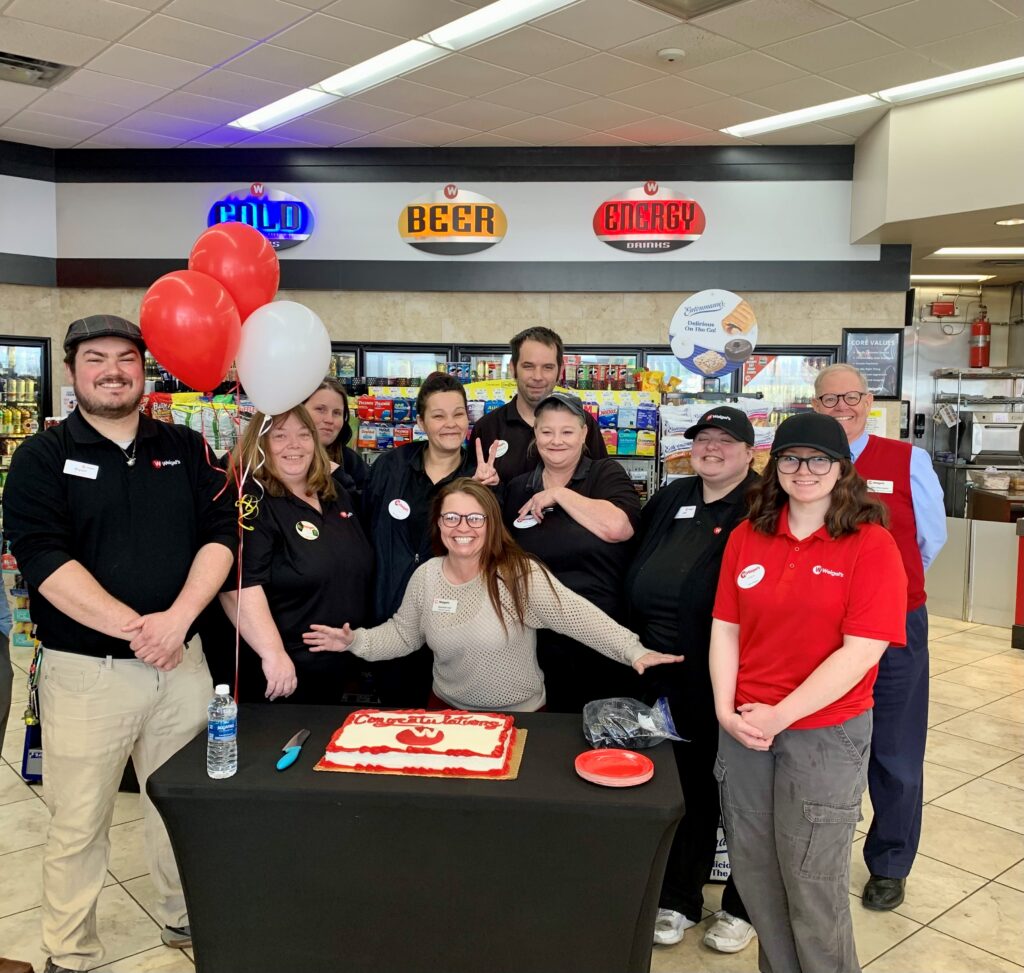
Also on Segadelli’s radar for 2026 is developing career planning for employees.
“How do we create paths for people to make Stinker their career instead of just a job?” she proposed. “Identifying potential, bringing some intentionality to development opportunities and stretching people through opportunities to be the best version of themselves at work are all things we’re working on. Today’s workforce expects employers to invest in them and when we do, loyalty and engagement follow naturally.” Stinker is leveraging its HR information system to initiate conversations around career planning, goals, performance and recognition so it can best respond to changing expectations.