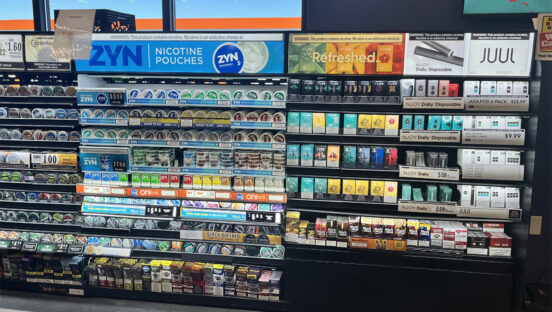

While c-store retailers are strategizing for assortment, pricing and inventory management, they’re also keeping a close eye on regulations.
New York is considering a generational tobacco ban that would limit tobacco purchases to those born before Dec. 31, 2007. If it passes, it would be effective Jan. 1, 2028.
“From a retailer perspective, the proposal raises significant concerns. Convenience store owners could face increased compliance burdens, customer confusion and more complicated age-verification requirements,” said Alison Ritchie, president of the New York Association of Convenience Stores.
If retailers need to enforce a generational distinction at the point of sale, negative interactions with store personnel might ensue. It raises legitimate security concerns, she added.
For regulatory issues in general, retailers must stay engaged and informed.
“Regulatory changes have become one of the biggest factors impacting tobacco category management,” said Shawn Holmes, corporate marketing and merchandising manager for Hot Spot, which operates over 40 locations in North Carolina and South Carolina
Hot Spot’s approach is to stay educated, remain compliant and build enough flexibility into its assortment strategy to quickly adapt.
Flexibility remains one of the industry’s greatest strengths, Ritchie noted.
Convenience stores have long understood the need to adapt to the changing regulatory environment. While new products rapidly enter the market and state and local legislative bodies continue to pressure the convenience store landscape in many places, efficiency and adaptability have always been key c-store tenets.
“Retailers should make their voices heard. Convenience stores are often small businesses that serve local communities, employ local residents and contribute to the state economy. Policymakers need to understand how proposed regulations affect legitimate businesses and the consumers they serve. Engagement in the legislative process has never been more important,” Ritchie said.