
Regulatory uncertainty continues to shape the vape category, as retailers navigate a limited pool of FDA-authorized products alongside an evolving enforcement landscape. While the Food and Drug Administration (FDA) has gradually worked through premarket tobacco product applications (PMTAs), only 45 vape products are currently authorized for legal sale in the U.S.
In December 2025, the agency announced that it was aiming to streamline the PMTA process by opening up web-based submissions.
This change has led to measurable progress. In early May, the FDA announced a major milestone for the vape segment — the authorization of its first non-tobacco, non-menthol flavored pods from Los Angeles-based manufacturer Glas. The authorized pods included Mango and Blueberry varieties to be marketed as Gold and Sapphire, respectively.
The defining characteristic of the authorized vapes is the inclusion of age-gating technology, which the FDA believes will effectively curb potential underage usage.
“The FDA’s rigorous, scientific review of these products found that the applicant sufficiently demonstrated that Glas’s device access restriction technology, combined with FDA-required marketing restrictions, is expected to effectively mitigate the ability of youth to use the product,” the agency noted in its statement.
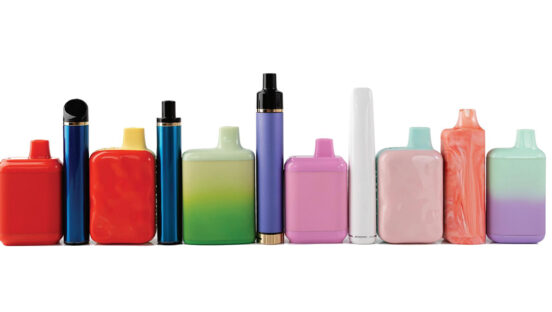
A pressing matter for the industry at large, however, is the illicit vapor marketplace. At the New York Association for Convenience Stores (NYACS), president Alison Ritchie noted that “the vapor category continues to be dominated by illicit disposable products.”
“In New York, Governor Kathy Hochul has proposed vapor enforcement, or directory-style legislation, as part of her budget,” said Ritchie. “While details have not yet been released publicly, NYACS remains hopeful that policymakers will take meaningful action to establish a fair and level playing field for retailers and wholesale partners, while holding bad actors accountable for knowingly supplying illicit products to New Yorkers.”
Flavor bans have also impacted in-store sales across numerous U.S. markets.
“Regulations continue to significantly influence assortment decisions, especially in stores impacted by flavor bans,” said Cal Honabarger, category manager at Englefield Oil-owned Duchess convenience stores. “Locations operating under flavor bans generally generate lower sales volume because they lack the assortment many consumers want.”
Amar Sidhu, director of business development at US Markets, mentioned that federal and state regulations play a major role in how the chain manages its category and product assortment.
“Compliance is a priority, and we are careful to ensure that any products we carry meet applicable regulatory standards,” he said. “We also work closely with trusted suppliers and industry partners to stay informed and make responsible assortment decisions.”