
As always, the NACS Show was a whirlwind of insights, product innovation and trend advancement. As I wrote in CStore Decisions’ Morning Fill-Up newsletter (sign up here), one of my many takeaways from the educational sessions and the tradeshow floor was customers’ desire to pair the familiar with the exciting and the way numerous supplier companies were showcasing this trend.
The educational session, “Food & Beverage Trends Shaping Convenience in 2027,” showed the shopper psychology shaping this and other trends. The session pointed out that inflation behaviors have change since the COVID-19 pandemic. In 2026, customers’ fear set point is higher than it was in 2020, which means customers are less reactive in the face of inflation. They are cautious but without the emotional shutdown. Stress is up, but they’re not panicking, and motivation is unaffected.
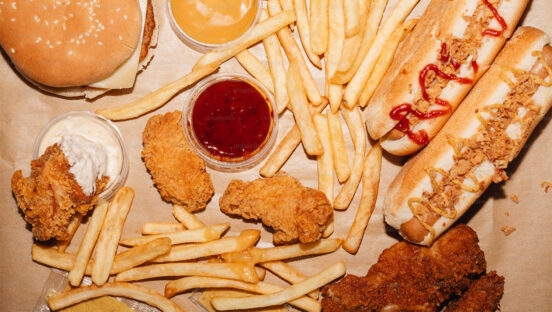
So, while risk taking is tempered, it’s still strong, as is exploration and experimentation. Travel continues and bold flavors remain in high demand. A couple of the many drivers today that really encapsulate this message are “thrilling comfort” — where customers lean toward comfort foods but with spice and heat; and Newstalgia, nostalgia but with a modern twist. Think tried-and-true formats like chicken but with a spicy sauce or a familiar baked potato but with a global-inspired spice.
Another thing that stood out from the session was the message that today’s foodservice shoppers are increasingly opting for convenient foods that support holistic health, including energy, heart health and mental clarity. Shoppers are snacking more because they are frequently turning to snacks instead of meals due to financial challenges. As they are eating fewer meals due to higher costs, customers are increasingly seeking more nourishing healthy snack options or “mini meals” that deliver protein, fiber and balance as snacks.
The Top Chain Difference
In a session titled, “What Top Retailers Do Differently,” I learned that top-decile c-stores outperformed the bottom chains by 47 times and outperformed second-decile chains by 2 times. Top-decile foodservice gross profit mix was more than double bottom-decile operators, underscoring the significant role foodservice can play in driving overall store performance. The top operators are also investing more in labor hours and experienced lower turnover.
Overall, top-decile operators are building a strong inside gross profit base (2.1 times that of bottom operators), winning through traffic and baskets (93% more transactions) and are creating a stable labor model (73.6 pts lower turnover) and turning each visit into profit ($2.92 more per visit).
Building Capabilities for Tomorrow
In a session, titled, “The 2026 Conexxus Technology Roadmap: Building Capabilities for the Future,” it was noted that we can’t predict which technologies will win out, but c-stores can control their capabilities in order to best position themselves to be highly competitive regardless of where technology goes next.
There are three foundational capabilities that can lead to lasting business value for retailers: Trusted data that is consistent, secure and ready to use; connected commerce, that allows for seamless experiences across ecosystems; and nimbleness, that allows retailers to adapt quickly and continuously. At the end of the day, these capabilities can allow for stronger performance, a sustainable advantage and the ability to be future-ready regardless of what comes next.
Why do capabilities matter now? The session pointed out that, “the forces reshaping retail all point to the same conclusion: competitive advantage will increasingly come from capabilities, not technology alone.”
Looking ahead, the session speakers outlined that retail discovery will continue to be influenced by artificial intelligence (AI). Having trusted data enables automation, AI, interoperability and better decision making across your chain. Connected retail ecosystems will reward connected participants. They also pointed out that nimbleness rather than being able to predict the future, will determine how fast c-store chains can respond to changes and reduce risk. But the biggest takeaway from the session was that going forward, the competitive advantage will belong to c-store chains that adapt the fastest.
Don’t forget to sign up for our newsletter, so we can help keep you updated on the latest trends and happenings across the industry with editorial commentaries that share our insights for what we’re observing across the c-store industry.