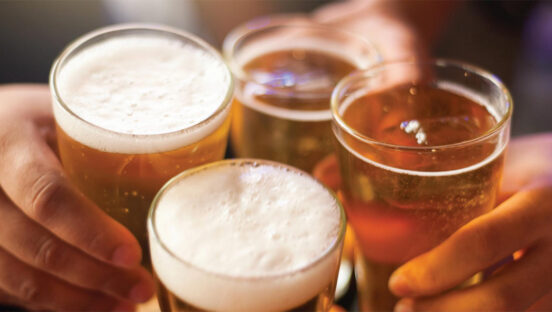
The typical c-store alcohol consumer looks significantly different in 2026 compared to previous years. Historically, retailers could depend on beer sales to drive the majority of alcohol sales. But today, consumers are expecting more segmented, diverse beverage offerings that extend to premium beers, limited-time seltzers and spirits.
To determine which ready-to-drink (RTD) products deserve shelf or cold vault space, Onvo, which operates more than 40 locations in Pennsylvania and New York, works with the Pennsylvania Liquor Control Board (PLCB) to review purchases being made by other retailers, spot trends and see what customers are purchasing from competitors.
“Once we determine a product line to bring in, they are introduced typically to the shelf, and we review sales data and determine if cold vault space is warranted,” said John Parduski, director of merchandising for Onvo. “Currently we are basing it off of sales by location because no two stores are alike. We are looking at each store on its own and listening to what our customers are telling us based on their purchases.”
This strategy of customizing your beverage selection based on your community’s preferences on a store-by-store basis, according to Tim Powell, managing principal at Foodservice IP, is exactly what retailers will need to do more of in the future.
“Rather than simply adding new products, retailers should continuously evaluate productivity by SKU and by occasion,” said Powell. “Space should increasingly reflect local shopper demand and purchasing occasions.
He added that successful retailers will balance proven core brands with emerging segments but will avoid adding too much assortment as that can lead to shopper confusion.
Looking ahead, according to Powell, the alcohol category is set to be defined by premiumization, more occasion-based merchandising and “continued growth in products that blur traditional category lines.”
Parduski expects craft and specialty beers to drive sales growth in the coming months, noting that this could be an underappreciated trend that retailers can capitalize on.
“While mainstream beer has its rightful place in all planograms, craft and specialty beers are a category that needs to be fine-tuned,” he said. “These items are often sold in singles or 6-packs. Three shelves can hold approximately 15 different 6-pack varieties. We transitioned those shelves to singles, and now we can carry 30 varieties of craft and specialty beers. This gives our customers wider selection without losing space for the must-have items.”
Powell also expects retailers to become more data-driven as they manage their alcoholic beverage assortment at the store level and move away from a one-size approach across the chain.
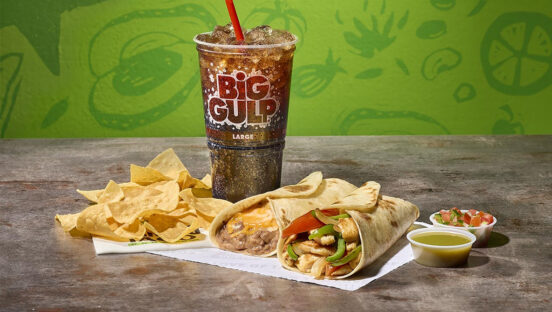
Powell also believes that foodservice will be a key growth driver for alcohol sales, giving retailers an opportunity to merchandise adult beverages alongside meal occasions.
“From my perspective, it’s helpful to view adult beverages as part of the broader immediate-consumption mission,” Powell said. “Convenience retailers are increasingly competing for meal occasions and food-away-from-home spending. … The operators that succeed will be those that merchandise beverages as part of a complete eating and drinking occasion, making it easier for consumers to purchase everything they need in one stop.”