Convenience retailers have never been known to stand still. In fact, this industry’s ability to adapt is what has made c-stores such a formidable force in retail for so long. Over the past 20 years, in particular, retailers have launched loyalty programs, expanded foodservice offerings, developed mobile apps, embraced digital ordering and invested heavily in modernizing operations. Looking ahead, the pace of change is unlikely to slow.
Consumer expectations are no different. They continue to evolve every day. New technologies continue to emerge. Competitive pressures are increasing from both inside and outside the channel. As retailers evaluate where to invest next, the objective should be to build capabilities that enable long-term growth.
As a long-time retailer turned industry consultant, I have four suggestions on how to navigate the future with flexibility, because your ability to react will define your reality.
Strengthen Customer Relationships
The most valuable asset many retailers possess is their customer base. The ability to identify customers, understand behaviors and engage them effectively has become increasingly important as competition expands across channels. This is one asset you can’t afford to lose.
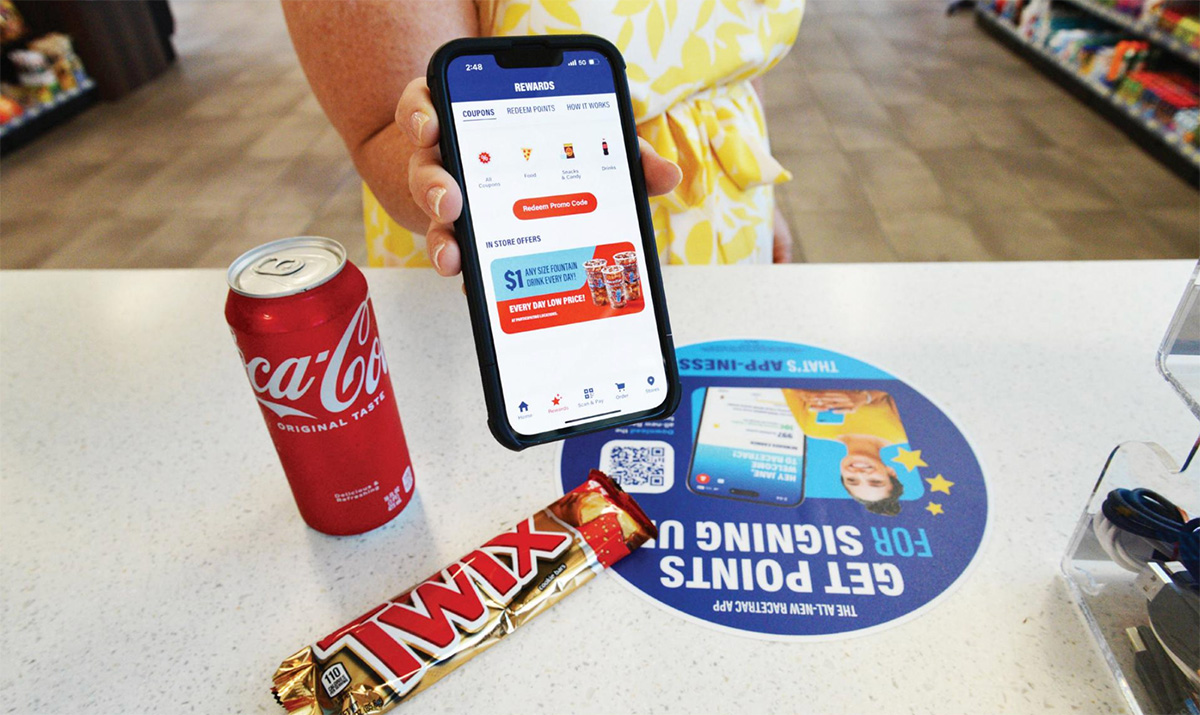
Loyalty programs, mobile applications, digital ordering platforms and personalized communications all contribute to a stronger connection with customers. These touchpoints help retailers understand purchasing patterns, respond to changing needs and deliver more relevant experiences over time.
Many operators have already made significant investments in loyalty and mobile technology. The next step is maximizing the value of those investments. Every identified customer creates an opportunity to learn more about what drives visits, influences purchasing decisions and strengthens long-term engagement.
Retailers that continue expanding first-party customer knowledge will be better positioned to adapt as market conditions and consumer expectations evolve. Don’t leave your customer relationships to chance — or worse yet, allow someone else to mediate them.
Digitize Store Execution
Store teams influence the customer experience every day through consistent execution, ensuring product availability and preparing quality foodservice offerings. As labor challenges persist across the industry, retailers have an opportunity to simplify operations and make it easier for teams to perform at a high level.
Tools like digital task management, modern training platforms, and knowledge-sharing networks can all help improve execution across the business, allowing associates to have access to the information they need at a moment’s notice.
Future-ready retailers are creating environments where technology supports store teams in practical ways beyond technology for innovation’s sake or shiny new distractions. Even small improvements in execution can create meaningful gains in productivity, customer satisfaction and operational consistency across a chain.
Build a Connected Commerce Ecosystem
Most c-store retailers have a significant technology footprint today. From point-of-sale systems, payment solutions and loyalty platforms to pricing applications, inventory tools and kitchen production management, it all plays an important role in the business. While some retailers may still be playing catch-up, or even focused on optimizing the systems they have, the big opportunity moving forward is creating stronger connections between those systems.
When data moves effectively throughout the organization, retailers can make faster decisions. And this includes those delivering customer experiences, both inside and outside the store. Promotions can be executed more consistently. Foodservice operations can be better aligned with customer demand. Marketing teams can act more quickly on customer insights. Operations teams gain greater visibility into performance across the network.
As retailers evaluate technology investments, integrations should receive the same level of attention as functionality. Connected systems create flexibility and provide a foundation that allows businesses to incorporate future technologies without constantly rebuilding infrastructure.
A well-connected technology ecosystem helps retailers move faster while maintaining focus on operational excellence and customer experience.
Establish a Foundation for AI
Artificial intelligence (AI) is quickly becoming a large part of the retail technology landscape. New capabilities are appearing across nearly every category of software used by convenience retailers, from operations and human resources to marketing and merchandising.
For those leaning into AI today, many operators are benefiting from embedded capabilities within the solutions they already use every day. Loyalty platforms are generating audience recommendations. Merchandising systems are identifying assortment opportunities. Workforce tools are helping managers make scheduling decisions. Analytics platforms are surfacing trends that may have otherwise gone unnoticed.
At the same time, enterprise AI platforms are helping teams analyze information within multiple systems, improve cross-functional productivity and accelerate decision-making throughout the organization. This tooling is also more complex, but its bespoke fit for the company is what makes it worthwhile.
Longer term, retailers may even explore applications that leverage their own proprietary data and custom-tuned models to create highly customized, differentiating capabilities. While this is not the norm today, the preparation for that opportunity starts now.
Retailers that invest in customer identification, connected systems, strong data practices and digital operations are creating the conditions necessary for AI to deliver meaningful value in the future. Whether AI capabilities are embedded within existing software, accessed through enterprise platforms or supported by proprietary data assets, the organizations with strong foundations will be best positioned to take advantage of future opportunities.
Looking Ahead
The convenience industry will continue to evolve, just as it always has. New technologies will emerge, customer expectations will change and competitive pressures will create new opportunities for innovation.
Retailers that strengthen customer relationships, empower store teams and connect business systems will have the foundation necessary to accelerate with AI and be prepared to navigate that change with confidence. These investments support the business today while creating flexibility for what comes next.

Ultimately, future-proofing your business is about readiness. If you can build adaptable capabilities today that keep your options open instead of locking them down, you will be well-positioned for growth in the years ahead. Are you ready?
Mike Templeton is a partner at c-store advisory firm NexChapter. He has an over-15-year history in the industry, previously leading digital initiatives at Casey’s and Kum & Go.