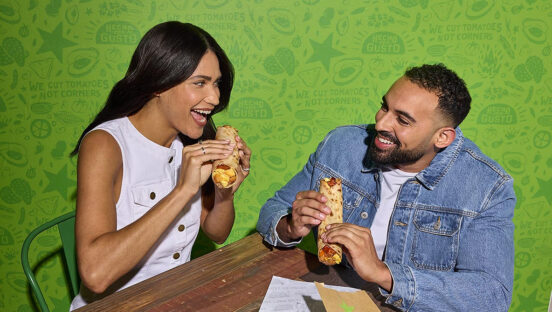
For years, one of the guiding principles of convenience store foodservice was “dashboard dining.” If something could be eaten easily with one hand, without much mess and preferably without utensils, it fit the channel.
That idea hasn’t disappeared. But what qualifies as grab-and-go has become much broader.
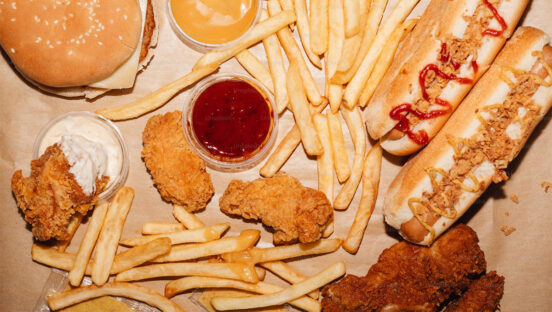
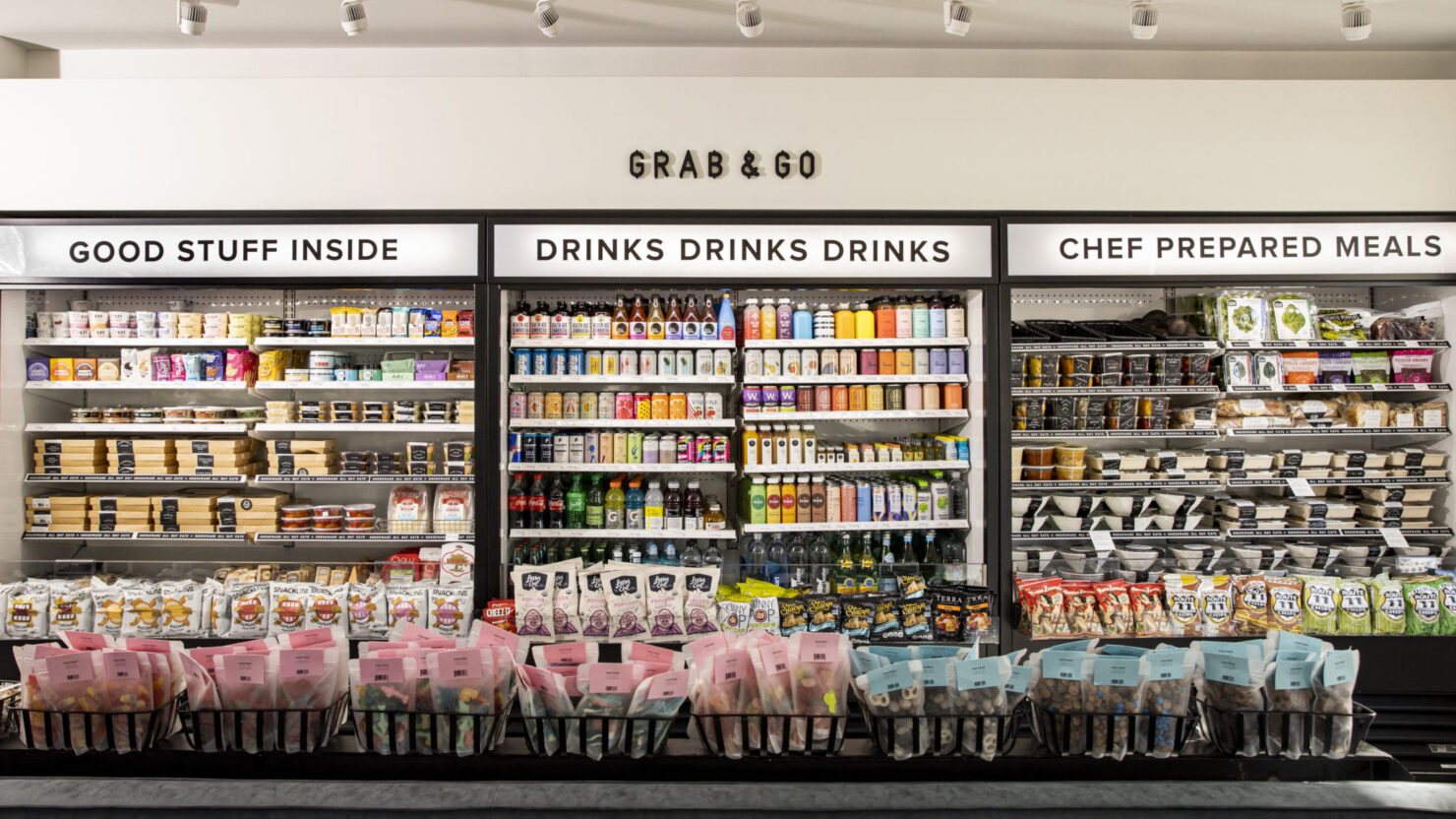
Hot dogs, corn dogs and roller-grill items remain important, but today’s consumer can also encounter breakfast burritos, premium sandwiches, chicken bites, empanadas, pizza handhelds, snack packs and an expanding range of refrigerated offerings. The challenge for operators is no longer simply having food ready to grab. It’s delivering convenience while raising expectations around freshness, quality and variety.
Foodservice IP’s 2025 research with 500 c-store consumers and 150 retailers revealed just how important that balance has become.
Consumers Still Want “Ready”
When we asked consumers which type of prepared food they would be most likely to order at a convenience store, 50% selected ready-to-eat grab-and-go. Only 24% selected made-to-order, while just 7% preferred grab-and-go that required reheating.
That’s worth paying attention to.
Made-to-order programs receive a lot of attention, and rightly so for operators capable of executing them well. But the basic c-store promise hasn’t changed. People come to the channel because it is convenient. Every additional step, whether waiting for preparation, finding a microwave or figuring out how to eat something in the car, introduces friction.
The opportunity is to improve the food without engineering the convenience out of it.
We’ve seen operators experimenting with exactly that idea. Traditional handhelds are being joined by formats such as empanadas, pupusas, mini corn dogs and even pizza burritos. Chicken nuggets and bites solve a portability problem that bone-in chicken doesn’t. Bowls are expanding as well, although requiring a fork makes them a somewhat different version of “on the go.”
The common denominator is less about the cuisine and more about how easily the food fits into the customer’s day.
Freshness Has to Be Visible
Convenience alone, however, isn’t enough anymore. C-stores have spent years improving their foodservice credibility, and many leading operators now compete directly with quick-service and fast-casual restaurants. That raises the bar for grab-and-go.
In our research, 52% of consumers said that food looking fresh factors into whether they will try a prepared food or beverage they haven’t previously purchased at a c-store. Nearly 60% pointed to overall store cleanliness.
Those findings tell us something important about freshness: consumers can’t always know how fresh an item actually is before purchasing it. They look for signals.
That makes the condition of the case, packaging, merchandising, product appearance and surrounding environment part of the food itself. An excellent sandwich sitting in an unappealing package in a poorly maintained case starts with a disadvantage.
And trial is only half the battle. When we asked what would prevent consumers from returning for prepared food following an unsatisfactory first visit, taste led the list. Temperature was another major factor.
Grab-and-go has to deliver after the package is opened.
Don’t Let Dayparts Become Walls
Another opportunity is to think differently about when portable foods can be sold.
Breakfast is a good example. C-stores have long excelled at portable breakfast, particularly sandwiches and burritos. But consumers don’t necessarily think about those foods within the same rigid daypart boundaries operators do.
In our study, 68% said they would consider ordering breakfast prepared foods from a c-store at lunch. One-third would consider them at dinner, and more than one-quarter at late night.
That doesn’t mean every store needs all-day breakfast. It does suggest that successful grab-and-go assortments can be organized around consumer need states — portable, filling, snackable, indulgent, high-protein or value-oriented — rather than simply breakfast, lunch and dinner.
The same thinking applies in reverse. Younger consumers, in particular, are open to restaurant-style foods, distinctive snacks and items with a unique twist. A morning customer doesn’t necessarily have to buy a traditional breakfast sandwich, just as an afternoon customer doesn’t necessarily want a conventional lunch.
Next Gen Dashboard Dining
For operators, there is an operational benefit to all of this.
Labor remains difficult. Back-of-house space is limited. Speed matters. A sophisticated foodservice program that can’t be executed consistently isn’t really a sophisticated program.
In our retailer research, roughly four in 10 operators said they were expanding their selection of grab-and-go/self-service prepared foods and beverages. That makes sense because grab-and-go can solve for both sides of the equation: consumers get speed and operators can expand foodservice without necessarily adding a made-to-order operation. But the winners won’t simply add more SKUs to the case.
The next generation of grab-and-go will combine the things c-stores have always done well, i.e. speed, portability and accessibility, with the things consumers increasingly expect from restaurants: freshness, craveability, quality and interesting choices. In other words, dashboard dining isn’t going away.

Tim Powell is principal of Foodservice IP, a management consultancy that helps food and beverage manufacturers and operators uncover opportunities and navigate strategic change. For more in-depth findings on beverage behavior, trends and actionable strategies in the c-store space, explore the full “2025 Outlook and Opportunities in Convenience Store Foodservice” report at Foodserviceip.com or contact Tim at [email protected] or (312) 600-5131.