
As convenience retailers shift into their autumn planograms, tobacco category managers are keeping an eagle eye on the regulations that will affect their backbars in the cooler months. No longer a stranger to flavor bans, increased taxes and Food and Drug Administration (FDA) fluctuations, tobacco retailers are setting their sights on flexibility and compliance.
Atlanta-based RaceTrac, for example, has felt the pressure from changing tobacco taxes and restrictions.
More states are considering taxing nicotine pouches differently, said Melissa Donoghue, category manager, cigarettes and other tobacco products for RaceTrac, with some states opting out of taxing these and other states taxing them as an other tobacco product.
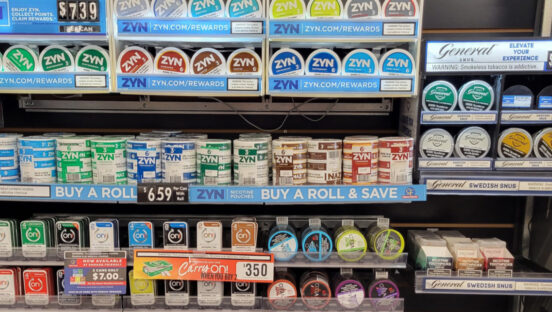
“With the recent FDA authorization of ZYN to be marketed as a less harmful tobacco nicotine product, some states are then looking at segmenting those items differently and applying a lower or reduced tax to them. It’s really running the spectrum of taxation from no tax to a low tax to a high tax,” she said.
A bigger concern for the chain, however, is the total nicotine directories that states are evaluating. These would slow the release of products if retailers were unable to stock them until they are published on a state’s directory.
RaceTrac currently operates in two states with directories, which are slow to react.
“As new products are launched and we’re able to get them into our other stores, we’re not able to bring them in (to the stores in these two states) yet. I think that’s one of the biggest challenges we’re facing,” Donoghue said.
She noted that convenience stores are known for speed to shelf and wishes that lawmakers better understood that they can execute more quickly than other formats including big box, mass and grocery. Legislation such as the directories isn’t a bad idea, per say, but they need to work faster.
“They’re not able to keep up with the changes in the industry as quickly as they’re happening, and it’s hurting c-store businesses,” Donoghue said.
Lance Klatt, executive director of the Minnesota Service Station & Convenience Store Association, advocated that retailers pay attention to the legislative happenings in other states. Many retailers are worried about their future and the future of the industry.
“Preemption would be good. Get more involved with city leaders (and) community, local and state politicians and leaders. Retailers seem to act when it’s too late. Get involved. It’s your future,” he advised.
Immerse yourself in the category, Donoghue added. Build relationships; focus on inventory, pricing, promotions and other aspects that matter to operational partners; and leverage trade associations.
Klatt also noted that operators can focus on additional methods to increase foot traffic. “Adapt or die.”