The convenience store industry is teeming with chains large and small that are ready for market expansion, foodservice evolution and advancing technology, and they are actively growing their brand both externally and internally. In this issue, CStore Decisions is recognizing five chains with fewer than 70 stores that are demonstrating such growth through acquisitions, new-to-industry builds and remodels; technology and foodservice innovation; involved community engagement; or brand augmentation. These five chains are preparing for future growth and long-lasting impact in the industry and in their markets.

US Market
US Market Stores is on the fast track to regional expansion, growing from 30 convenience store-only locations in 2022 to 60 sites in Washington and Oregon in the present day. The Salem, Ore.-based chain is committed to maintaining a customer-first approach throughout its expansion, and over the past year, it has tapped into digital loyalty, foodservice growth, strategic acquisitions and brand modernization.
Regional Growth
US Market completed 25 acquisitions and 10 new builds to double its store count during the past few years. Although its original locations are convenience stores only, the newer sites offer fuel pumps for drivers.
The chain constructed another five new builds this year. Ten additional new builds are set to open this year and into 2027. These new sites will all be food-forward destinations, featuring the chain’s new foodservice program.
“It was never to do it for the number. It was always to do it for the purpose of quality over quantity …” said Amar Sidhu, director of business development, US Market Stores.
US Market operates with a “one-two-step” philosophy: buy one store and sell one store to buy two more stores.
“We purchased (stores) knowing that we can grow, we can excel. … I’d rather have one very good site than have three mediocre sites,” said Sidhu.
Fueling Convenience
US Market isn’t only growing through store volume. It’s continuously evolving its operations, investing in new concepts and challenging industry norms.
At press time, US Market was set to launch its digital loyalty platform. Its plan is to build customer loyalty satisfaction, help customers save money and give them incentives to return.
“Whenever (customers) come into our fuel stations, they’ll be able to get fuel discounts, and then they will also be able to redeem more points as they purchase more items, as they come into the stores. … And as we progress through that, we want to be able to give the loyal customers something back. … Let’s find out what their niche is, and we’re going to find that exact customer’s best and core item that they continuously buy. How can I make it better for them? How can I give them something better?” said Sidhu.
US Market is also growing its foodservice program. The chain hired an executive foodservice director to oversee what will be a state-of-the-art program, starting with a breakfast launch (which, at press time, was set for the next 30 days), followed by a lunch launch and a dinner launch.
Some of the items available will be the Big 10 Smash Burger, a specialized quesadilla and a Jalisco-style burrito, among other options.
Food will be customizable, as well. Customers can choose products from the store to give to the kitchen, and these will be added to their dish. For instance, gummy worms or chips can be added to a burger or candy can be added inside the quesadilla.
“We’re going to bring convenience to convenience stores all over again because our core was convenience stores prior to us getting into fuel, so that’s where we understand how to make sure that we can make it the right thing for our consumers,” said Sidhu.
US Market also launched its own merchandise at its locations.
“What does that mean? Tailored hats to your community, so you’re in Oregon, you’re going to find Oregonian-style hats. If you’re in Washington, you’re going to find Washington-style hats, and you’re going to get the custom US Market ones, also,” said Sidhu.
Additionally, customers can purchase a private-label 9.5 pH-balance alkaline water.
Overall, the chain demonstrates a commitment to growth, innovation, affordability and community impact simultaneously.
When asked what he wants customers to feel when they leave a US Market store that shows them this is more than an ordinary gas station, Sidhu homed in on culture. When customers arrive, they’re treated to an atmosphere of distinguished hospitality. They walk out with a bigger and better smile than they had when they arrived.
US Market’s vision, execution and commitment to innovation have made it a 2026 Chain to Watch.
Hot Spot
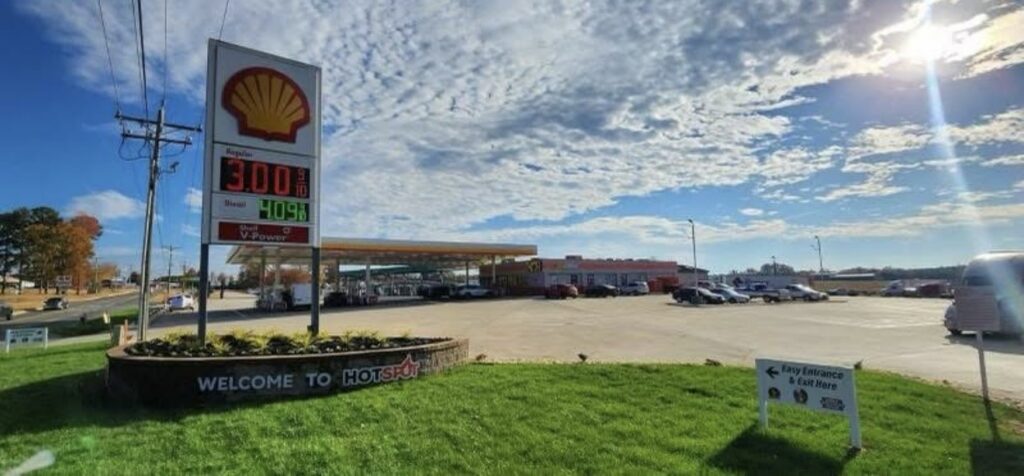
With 41 stores in the Carolinas under its belt, Hot Spot is growing through new-to-industry (NTI) locations, the evolution of its Hotties Kitchen foodservice program, and the rollout of new mobile app features and electronic shelf tags.
Additionally, Hot Spot has been strategically competing with national chains through faster decision making, local market knowledge, strong vendor partnerships, flexible merchandising and personalized customer service.
“Hot Spot may not be the largest convenience store chain in America, but it is exactly the type of regional operator that industry leaders should be watching. With a growing footprint, strong operational culture, community focus, innovative product mix and commitment to developing its people, Hot Spot has the ingredients to be one of the standout convenience retail success stories of 2026,” said Shawn Holmes, corporate marketing and merchandising manager for the chain.
Going Digital
Hot Spot is opening a new store in mid-August in Sylva, N.C. After, the chain is opening new locations in Myrtle Beach, S.C., and Spartanburg, S.C.
The stores will feature bigger layouts at 6,000 square feet, which allow them to have bigger foodservice operations, larger selections and more cooler doors. By opening these new stores, Hot Spot can introduce the latest store design, operational efficiencies and customer-focused amenities early. They also create additional career opportunities for team members.
Furthermore, these stores will feature electronic shelf labels, which the chain is also rolling out at existing locations.
These provide real-time price updates from the corporate office across stores, improve pricing accuracy, reduce the labor spent on changing paper tags, allow for faster execution of promotions and vendor programs, and offer better compliance with pricing and promotional strategies.
“We really highlight the two-for deals, and it’s increased our two-for sales … because it really stands out. … It helps for sales, helps labor and it helps for the cost of tags,” said Holmes.
Hot Spot also redesigned its rewards app, offering gamification, digital coupons and savings, and fuel savings programs.
These features have increased customer engagement, resulted in more frequent store visits, unlocked special promotions for members and offered personalized rewards opportunities, among other benefits.
“We do something called Wild Wednesday, where we give something free away to every customer that has a reward card, and we promote that on our app, and that’s huge. … We advertise our gas pricing on there, which customers love, and then it automatically comes up with your closest store when you log on to our app. The closest store tells you their fuel price, their location, how far it is from you. You can get directions to that store off of there, so it does a lot,” said Holmes.
Hot Spot also holds app takeovers, giving a vendor an opportunity to promote its item as the first thing a customer sees when they open the app.
“We found that to be huge for new items, as well as Wild Wednesday when we give something away for free. … A lot of times we do new items or new-to-industry items that people haven’t ever tried. Now they’re repeat buyers,” Holmes continued.
Hotties Kitchen
As a fast-growing profit center, foodservice is also an area that Hot Spot has decided to invest in heavily, and it added in-app food ordering to provide customers with reduced wait times, easy customization and greater convenience.
Hot Spot will have a Hotties Kitchen in every location, either in a full or express format. Currently, a fully operational Hotties Kitchen exists in 15 locations, and 16 locations host a Hotties Express Kitchen.
Hotties Kitchen is known for its cheeseburgers, wings and subs, among other menu offerings.
“By expanding menu offerings, improving food quality and focusing on consistency and speed of service, Hot Spot is successfully driving higher customer engagement and repeat visits,” said Holmes.
The goal is to position Hot Spot as a destination for fresh, made-to-order meals.
Hometown Feel
As Hot Spot has grown, it has maintained its strong local identity and remained connected to the communities it serves.
“In an industry dominated by massive national brands, Hot Spot is proving that regional chains can still outperform through execution, community involvement and a relentless focus on the customer experience,” Holmes said.
Hot Spot is creating customer loyalty through building relationships in its market area and focusing on developing store managers, district managers and field leadership.
When asked why Hot Spot is a Chain to Watch, Holmes noted the chain’s commitment to evolving beyond the traditional store model. He also highlighted Hot Spot’s strategic growth, innovation mindset and dedication to delivering a best-in-class experience.
FriendShip Kitchen
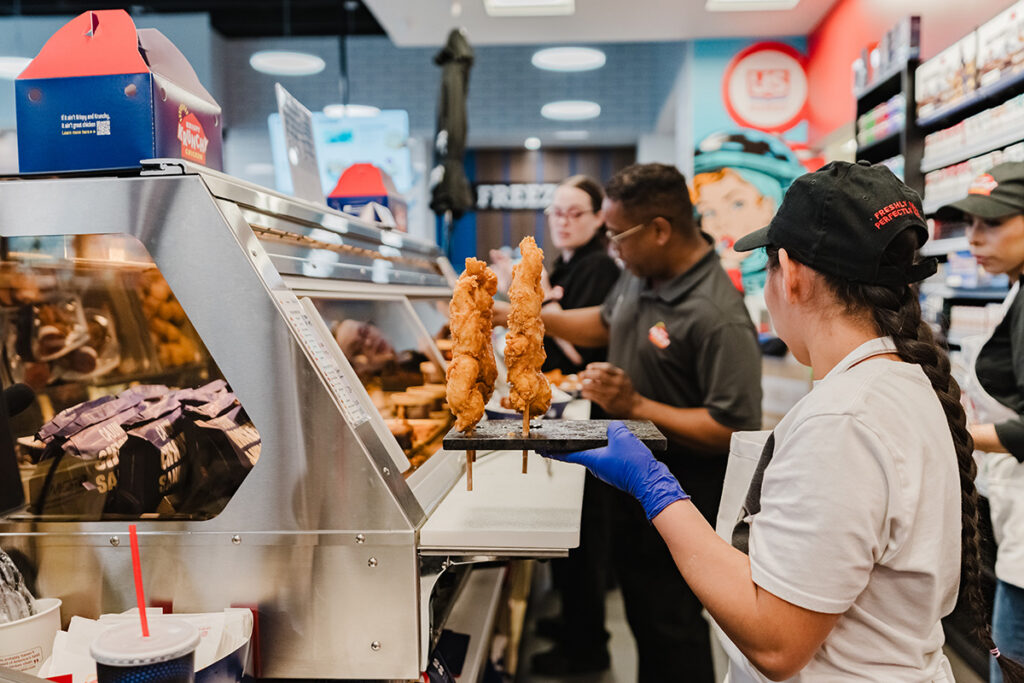
Founded in 1986, FriendShip Kitchen operates 31 stores in Ohio under a culture-first model that prioritizes its employees, deep engagement and growth opportunity. The chain has expanded through new builds and rebrands to the current proprietary FriendShip Kitchen model, which is food forward and anchored by FriendShip Famous Chicken. One year ago, FriendShip became a 100% ESOP (Employee Stock Ownership Plan), defining its commitment to and faith in its team.
FriendShip operates under parent company Beck Suppliers, founded in 1950.
“We’re part of Fremont, Ohio. We’ve been based here for 76 years now. We have about 45 people in the corporate office. If we sold to a larger company, most of those jobs would go away. All the work that we do for the community — and we raise and donate about $1 million a year — most of that funding would also go away,” said Greg Ehrlich, president, Beck Suppliers.
The chain is proud to have guaranteed that these jobs stay in the community through the ESOP, with a strong business model and dedicated management team driving the company.
100% Employee Owned
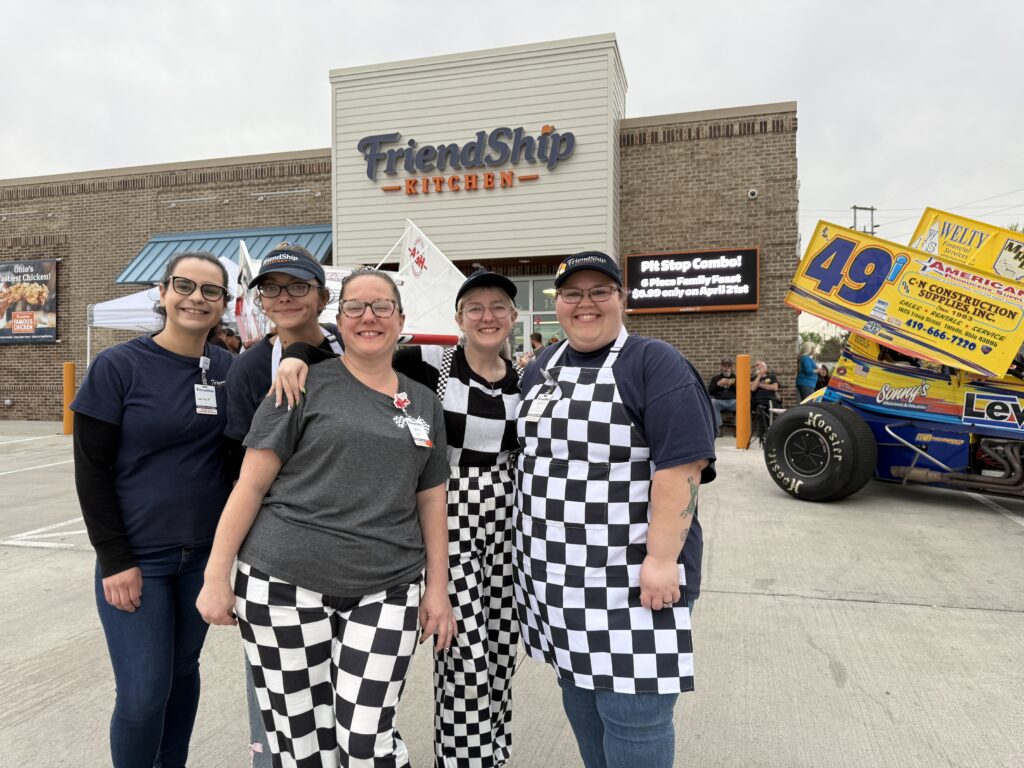
FriendShip Kitchen celebrated the one-year anniversary of the ESOP on June 30. During the week following, employees celebrated with games and prizes, and over the next weeks, hundreds of employee-owners received their first statement for the ESOP, revealing how many shares they have and their value.
Anyone who worked over 1,000 hours and is still employed at year’s end had shares allocated to them.
“Eventually, it’s going to be a meaningful part of their retirement. They’ll have a retirement that’s significantly funded through ESOP shares,” said Ehrlich.
The ESOP has created a renewed sense of conversation and engagement with employees. Turnover rate has decreased significantly, and employee satisfaction overall has increased.
“I think what it does is it lets everybody be comfortable knowing that, as an ESOP, this company is going to be here for future generations,” Ehrlich added.
For someone who plans to work with the company for 20-plus years, there will be a significant amount in their retirement account.
“It’s kind of life changing to a lot of people,” said Ehrlich.
The Kitchen Model
FriendShip Kitchen built 10 out of its 31 stores in the past eight years. Each has been built to the current FriendShip Kitchen standard — featuring a restaurant that offers FriendShip Famous Chicken and more — and 15 others have been remodeled to this standard. Moving forward, FriendShip Kitchen is reviewing six legacy stores for remodeling and continuing to pursue real estate and new-to-industry stores.
On the technology front, the chain is launching mobile ordering, pickup and delivery between the third and fourth quarters of this year.
“We focus a lot on technology,” said Ehrlich. “We’re an early innovator with the mobile apps, we won awards for our loyalty program, and we just continue to build upon that.”
FriendShip Kitchen employs three data analysts and uses business intelligence platforms to create internal mobile apps that are built for driving operational excellence. Additionally, it’s diligently evaluating artificial intelligence use cases.
Outside of technology, the chain continues its work with the communities in which its stores are located.
Last year, the chain razed and rebuilt a store located nearby its corporate office in Fremont under the new FriendShip Kitchen model, and the Beck family donated $160,000, which was split evenly amongst 16 non-profit organizations.
FriendShip Kitchen structures its philanthropy strategy around supporting many organizations opposed to a single cause. These include children’s programs, schools and healthcare, among other initiatives.
“That’s one of the key reasons why we became an ESOP. Becoming an ESOP ensures that both our people and the communities are supported in the future,” Ehrlich said. “As we continue to grow, we would like to see our annual fundraising and donations grow, as well.”
The FriendShip Team
FriendShip Kitchen’s tagline was once “You’re Always Welcome!” Now, the tagline reads “Home Grown. Employee Owned. All Yours, Ohio.”
When FriendShip Kitchen became an ESOP, the business was given to the employees and the communities in which they live.
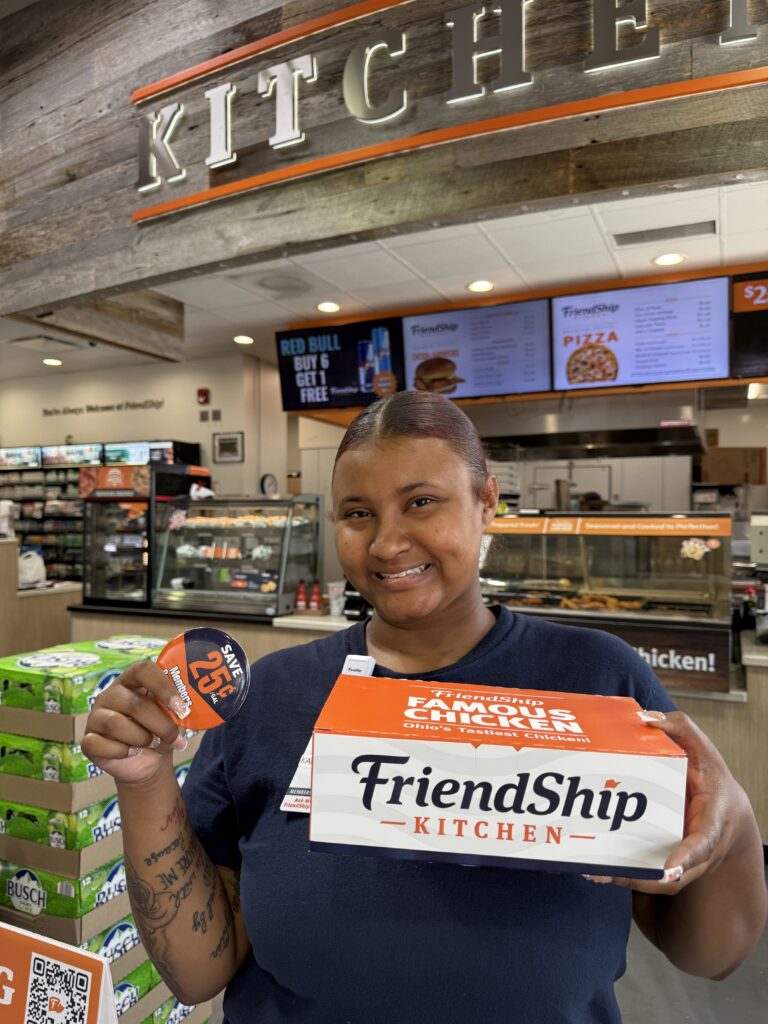
When asked what makes FriendShip Kitchen different, Ehrlich pointed to its unified team. “I think the recognition is that, as an organization, the product that we create or what we do is teamwork.”
“In our case, our team happens to sell chicken, FriendShip Famous Chicken. But we could be selling shoes, we could be selling eyeglasses, whatever it was, that’s not our product. Our product is how we work together to create an incredible, cohesive environment where we are aligned and we attack opportunities collectively in a way where everybody’s aligned with the objectives, and the ESOP structure amplifies that,” Ehrlich continued.
Friendship Kitchen’s loyalty to its employees, assiduous attention to company culture and brand growth, and care for its communities make it a Chain to Watch in 2026.
Pump & Pantry
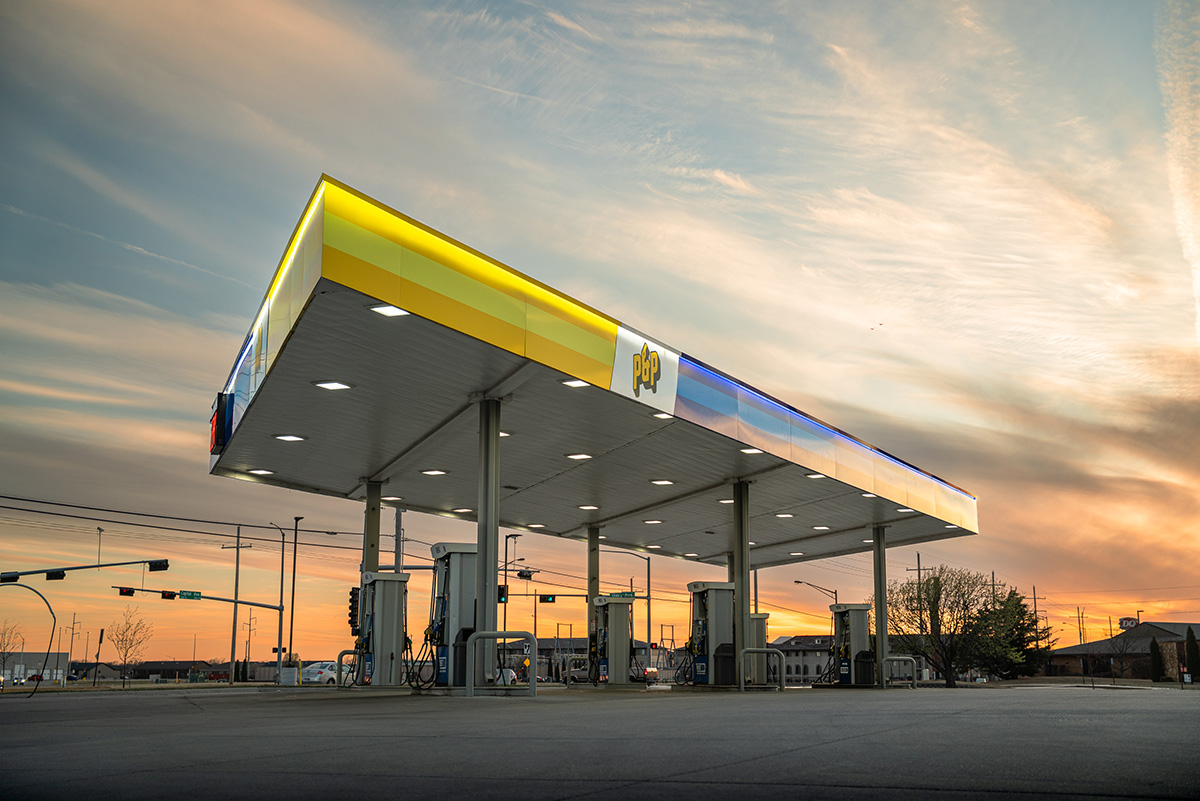
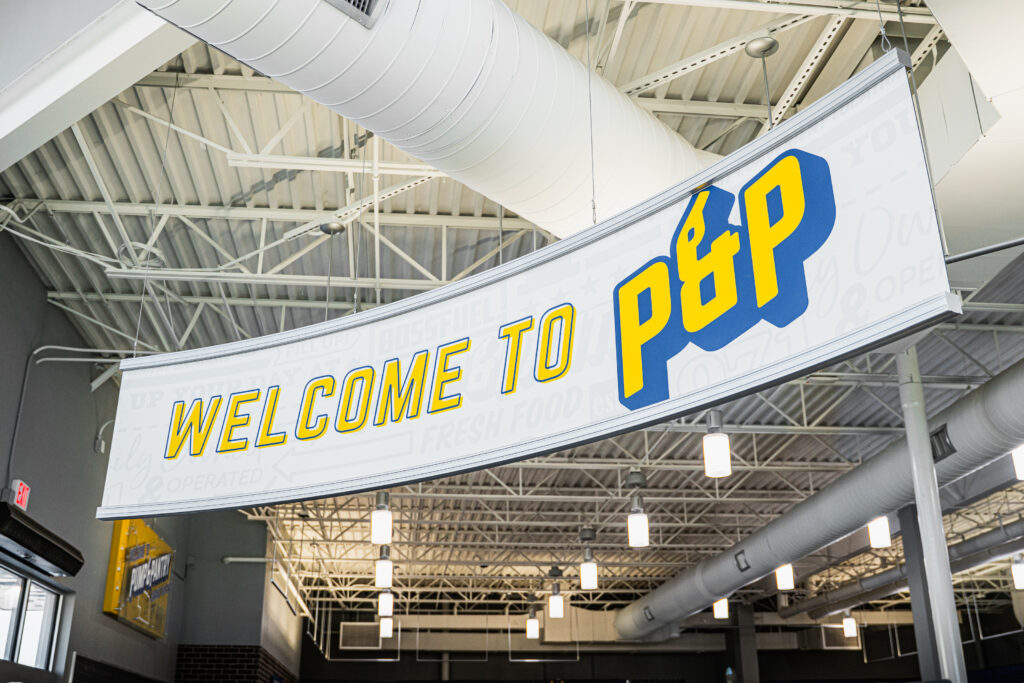
At just under 70 locations, Grand Island, Neb.-based Pump & Pantry is embarking on an aggressive growth campaign, aiming to open 200 stores by the end of 2030. In a strategic effort to further these plans, it officially acquired 21 standalone Hy-Vee Fast & Fresh c-stores in Nebraska, Iowa and Minnesota, expanding the previously Nebraska-only chain into two new states.
As part of the acquisition, Pump & Pantry is also branching into the full-service coffee shop space and expanding its Pumped Up Rewards and existing Pump & Pantry food menu to the new locations.
“Hy-Vee’s a very homegrown, family-owned business on a very large scale, but it really just fit naturally with Pump & Pantry and our values as a fourth-generation family business,” said Carsten Bosselman, director of learning, development and inclusion for the chain.
Cross-Border Expansion
As the chain looks to reach its 2030 goal, it has grown organically through new-to-industry sites, but leadership knew acquisitions needed to be included in the overall strategy.
Pump & Pantry belongs to The Bosselman Enterprises, which started in 1948 as a truck stop. Four generations later, it has grown to include multiple brands, including lodging and restaurants, among other businesses.
Pump & Pantry was realized in 1971, and in 2025, the team behind the convenience store chain began talking about its 2030 ambition. The Fast & Fresh acquisition moved the needle on this in an exciting and major way.
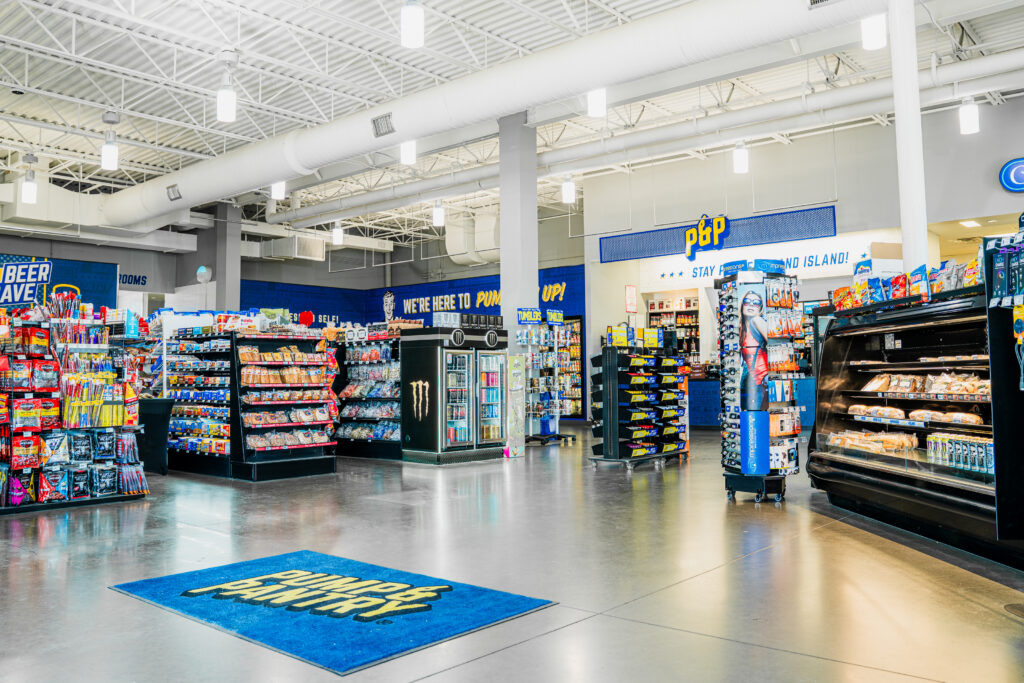
“It’s going to be fun because we’re excited to bring a really strong Pump & Pantry experience to these stores. Customers that are used to frequenting Pump & Pantry will be able to have a very similar experience that they do in one of our existing 48 stores in Nebraska,” Bosselman said, “between our friendly customer service (and) our food offering. There’s some elements that are going to stay the same — our convenient fueling and grade options we’re expanding and adding what we do at our current 48 stores in Nebraska to these acquired 21 (stores).”
The chain is also entering new foodservice territory. Several of the new stores have full-service coffee operations: Starbucks and local Des Moines, Iowa, business Smokey Row Coffee.
As Bosselman described it, customers can “walk in and you to go to the c-store side or the coffee shop side.”
“Smokey Row and Starbucks have been great. We’re excited to start building those relationships and, who knows, maybe carry some of those into some of our other existing stores,” said Bosselman.
In addition to the coffee shops, these new locations will carry the Pump & Pantry food program in-store, which includes popcorn and ice cream options.
“A lot of these Hy-Vee Fast & Fresh standalone stores had some really nice and beautiful kitchens in them, so we’re excited to be in those kitchen spaces but bringing our existing Pump & Pantry food menu into these stores,” said Bosselman.
Presently, the chain isn’t expanding its other franchise concepts with whom it partners, such as Cinnabon, to these locations, but it’s open to the idea in the future.
Pump & Pantry will also continue to offer Hy-Vee Fuel Saver rewards, at the new stores only for now, as well as its Pumped Up Rewards.
As for the once Hy-Vee employees at these stores, Pump & Pantry was able to offer a job to every single person in a similar role at the same hourly pay.
The Vision
Pump & Pantry developed a vision statement for its 200-store goal, with five focused areas.
“Our core focus going forward: to become the best c-store retailer in the Midwest,” started Bosselman.
Additional areas of focus are excellent execution and putting customers first, store expansion and staying innovative, growing the rewards platform and offering best-in-class food.
Throughout its growth and innovation, Pump & Pantry is determined to stay true to itself with its customer service, friendliness and evolvement with the market. This entails speed of service, high-quality food and investing in technology that meets customers at where they are.
“Like an app that is fun to work with,” Bosselman elaborated. “We’re gamifying stuff; we have our summer sweepstakes.”
Something Bosselman pointed to as poignant in Pump & Pantry’s journey is the power of unified teams across all levels of the organization. The people he has worked with are fully committed, best-in-class and executing from the operational level to the corporate office.
Particularly as it navigates the acquisition, Pump & Pantry stands out for the support between local teams and leadership and across departments. Its ambitious growth plans, entrance into new spaces both geographically and internally, and dedication to its employees and customers are the reasons Pump & Pantry is recognized as a 2026 Chain to Watch.
InConvenience Inc.
Founded in just 2024, 29-store InConvenience Inc. has already made a name for itself in the convenience retail industry. Led by CEO Tiffany Fraley, the chain, headquartered in Chicago, recently expanded into Texas and is developing a loyalty app, offering first- and third-party delivery and launching a locally produced section in-store. Additionally, the chain is making a conscious effort to be a partner to its communities and employees, offering hands-on support and introducing itself to community organizations.
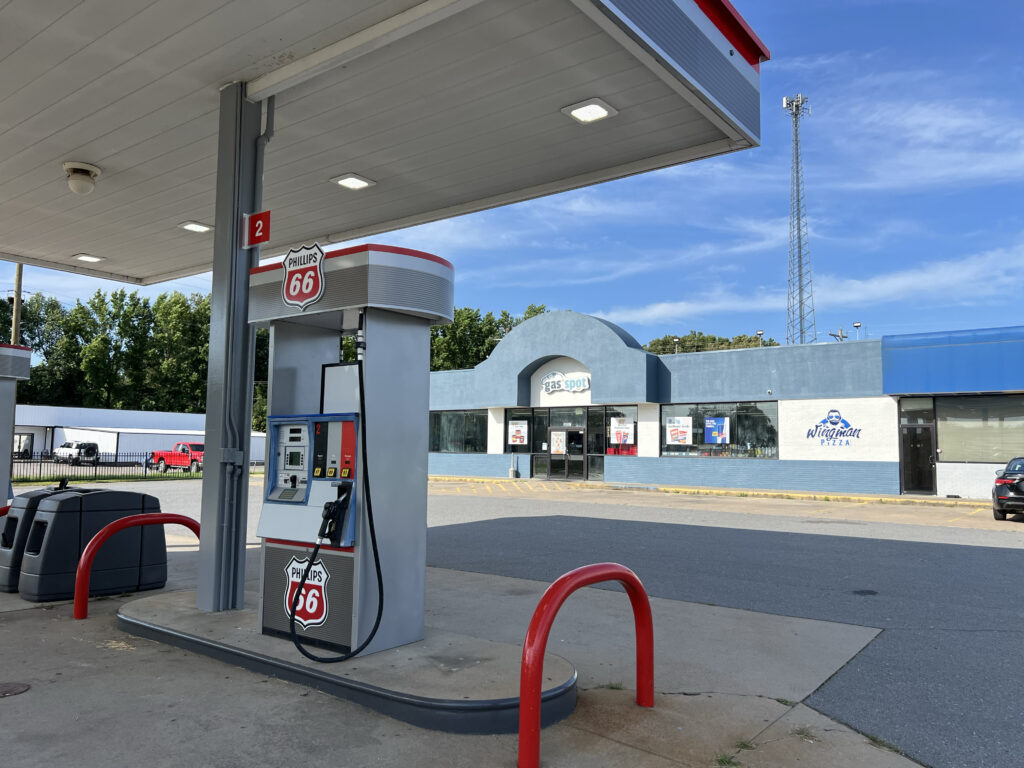
InConvenience Inc. encompasses both The Gas Spot and The Goods Spot brands (known as The G Spot) located in Iowa, Missouri, Arkansas and now Texas.
“While InConvenience Inc. is relatively new to the c-store industry, it’s made a splash in name, branding and dedication to customized community support,” said Lindsay Griffith, marketing and community engagement manager for the chain.
The G Spot has curated a deliberate and playful brand with a mission of reliability for its communities and employees. Corporate visibility, too, is important to the company.
“We’re already in Chicago. We don’t have stores less than three hours away, so I think we’re working really hard to build an authentic connection even though we’re never down the street from our stores,” said Griffith.
The chain approaches each community in which its stores are located with the idea that everyone is a potential customer or employee. It strives to offer tailored outreach, leaning on its employees to advise how best The G Spot can serve its communities, “and maybe that’s not monetary, maybe that’s volunteering at an event that they need, or being a place where they can come and just hang out,” said Fraley.
Texas Entry
The G Spot recently acquired four stores in Texas, two in Mesquite and two in Fort Worth.
“We approach the market with the same lens of we want to be good partners, we want to be involved, we want people to rely on us and know that we can be trusted,” said Fraley.
The G Spot team prioritized open communication with the employees of these stores.
“We welcome questions and concerns. … We want to be able to answer anything that we possibly can to make it easier for you to still want to come into work every day and know that you are going to be treated well, and you’re going to be paid on time. …” Fraley continued.
The G Spot brought its community-oriented perspective to Texas, introducing itself to new points of contact and demonstrating the value its team gives to relationships with communities and potential partners.
“We try to respect everyone, and we try to garner trust, as well. And I think, as long as we continue to do that, that’s really the root of what all people want,” said Fraley.
The G Club, Delivery and Iowa Grown
As it grows in new markets, The G Spot is also developing through tech. The G Club loyalty app is expected to launch in late summer or early fall. It will present members with exclusive offers on fuel and in-store items, and it will integrate with all locations’ fuel brand loyalty programs in addition to its own loyalty rewards program.
“Our brand is a lot about standing out and being different, and that obviously translates to the app, as well,” said Alicia LaFollette, brand director, InConvenience Inc.
The chain is considering adding gamification and an employee resource portal as it continues to ask itself, “What do loyalty members get that the regular person doesn’t?”
The G Club, along with a web-based storefront and third-party companies DoorDash, Uber Eats and Grubhub, will also offer delivery options for customers.
And, Davenport, Iowa, customers will be able to shop locally produced products made from Iowa agriculture in an “Iowa Grown” cooler section at The Gas Spot at 303 W. Locust. The endeavor is partially funded by Iowa Agriculture and Land Stewardship’s ChooseIowa grant.
“The InConvenience Inc. team hopes customer demand for local products will lead to the dedicated cooler space for regionally grown sections in more of their stores,” Griffith said.
A Budding Legacy
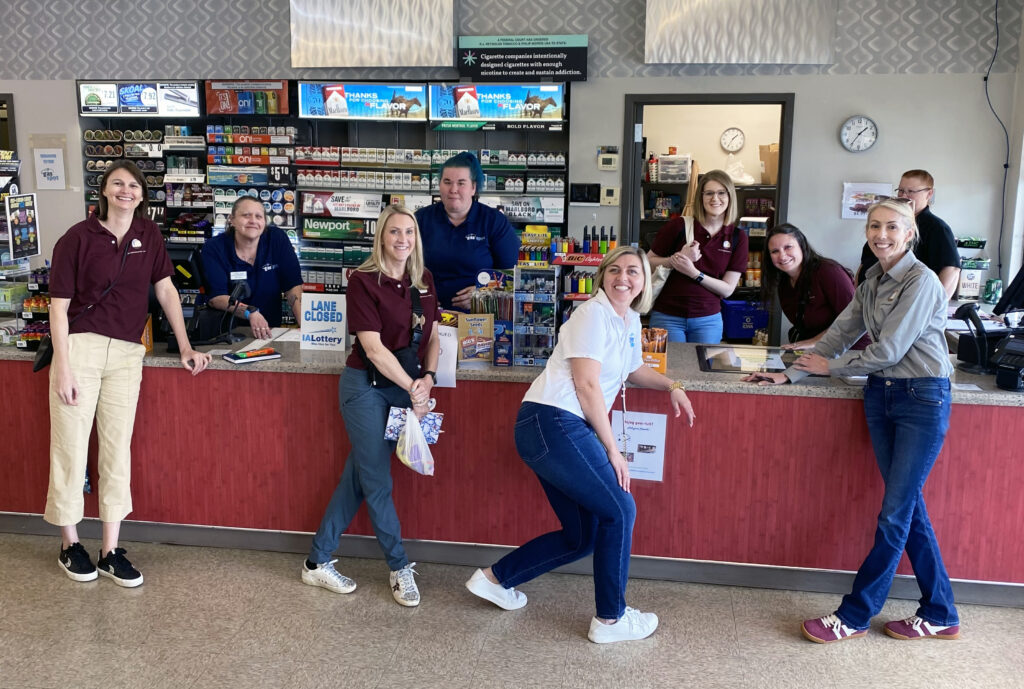
InConvenience Inc. is putting community at the center of its mission. When Fraley spoke about why The G Spot is a Chain to Watch, she homed in on the company’s community focus.
“I tell people I’m from a small town. I know what that gas station meant to me, and it meant to my family. … It was kind of the heartbeat of our little community that was out in the country, and I want to be that. …” she said. “(People will see how) we continue to really come into these communities and not just revive them but make that heart beat a little stronger.”
LaFollette pointed to the brand’s industry recognition despite its newness and credits its branding, approachability and transparency. “… I think the ripples of what we’re doing in this industry are bigger than the number of stores we have.”
Griffith noted that InConvenience Inc. is a Chain to Watch because it’s unburdened by legacy. “I think we come to this as the new kids, and it just comes with a magnetic freedom that has really built relationships quickly. …”