Every operator I talk to wants the same thing: higher margins, a bigger basket size and more reasons for a customer to pull into the lot instead of driving over to a competitor. And every conversation eventually lands in the same place. Differentiate yourself with foodservice.
I get it. The math is seductive. A cup of coffee and a bag of chips will never compete with the margin on freshly prepared breakfast sandwiches. Roller grills, chicken, pizza programs, made-to-order sandwich stations, these all promise the kind of dollar-per-transaction lift that packaged snacks simply can’t deliver. So operators invest in the equipment they see at the NACS Show or at their local state association trade conference, train a clerk or two on the basics, and wait for the margin to show up.
But here’s what nobody tells you before you invest in a food program, you didn’t just add a menu and some new SKUs. You added an entirely second business and that business has QSR-level labor complexity riding on a c-store labor budget.
Think about what a real quick-service restaurant (QSR) does to staff a kitchen. They have shift leads, food safety certifications, cross-training on food preparation, cooking training and ultimately assembling each product according to strict company guidelines. A general manager whose entire job is labor scheduling and food cost control manages the workforce. It’s a science for them. QSR chains have spent decades building that infrastructure, and they still bleed labor turnover at rates that would make a convenience operator wince.
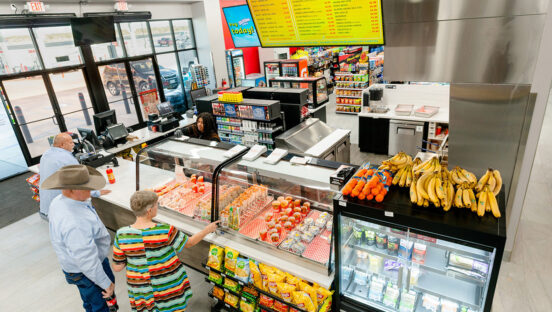
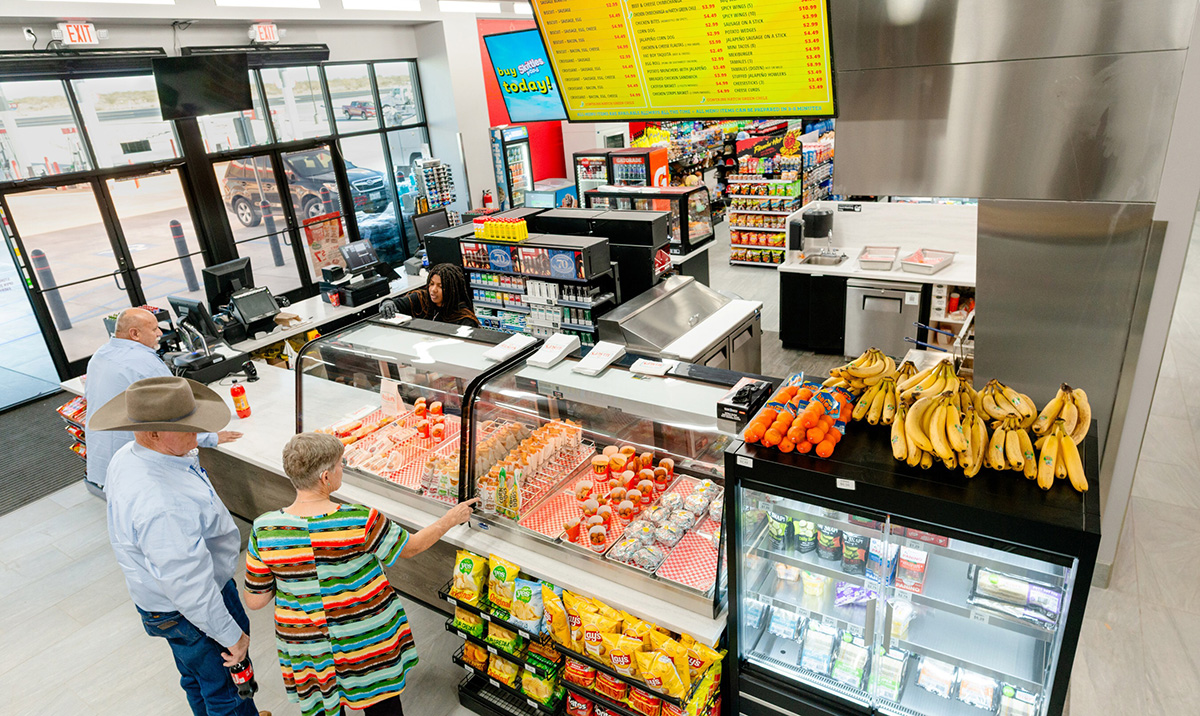
Now look at what most c-stores are doing instead. One clerk running the register, restocking coolers, handling lottery and flipping a griddle, all during the same shift, for the same hourly rate they were paying before the food program showed up. That’s not a foodservice program. That’s a liability with a hot surface warning label.
A food-first culture must come from the top down and must be followed by intense training of a qualified and well-staffed retail team. There are no shortcuts.
I’ve heard the pushback. “We’re not trying to be a restaurant, we’re just adding some hot food.” Fair enough, but customers don’t grade on a curve. The person buying a breakfast sandwich from your counter is judging you against the drive-through down the street, not against your old snack aisle. If the sandwich is cold, or the wait is too long because your one trained employee is also ringing up a lottery sale, that customer likely will not come back and now you’ve spent money on equipment and products without earning the loyalty, or sales, you were chasing.
The training gap is the part that c-stores must focus on. Foodservice isn’t just a skill; it’s a discipline. Temperature logs, allergen awareness, and consistent portioning so your food cost doesn’t quietly erode margins are all very real foodservice issues. Most c-store operators are excellent at running tight, efficient stores. Very few have run a kitchen. That gap doesn’t close itself just because you invested in some new equipment.
So what do you do? Start smaller than you want to. Prove out one simple, high-margin item with real training and real accountability before you build a menu. Pay a premium, even a small one, for the employee willing to own the foodservice program, because that person is now doing a fundamentally different job than the one you hired them for. And, most of all, be honest with yourself about whether you have the bandwidth to manage a kitchen, or whether you’re better off partnering with a proven food brand that brings the training infrastructure with it.

Foodservice can absolutely be the growth engine everyone says it is. We have all seen it work and be enormously successful for the c-store industry’s top-quartile chains. But it only works when operators respect what they’re actually taking on. Join the foodservice evolution with your eyes open and with some internal stated goals, not because everyone else in the industry says you should.
Know what you’re signing up for. Your labor line will thank you.
Elie Y. Katz is the CEO and president of National Retail Solutions (NRS).